
Large temperature differences between winter and summer: How to better use assembly adhesive?
Summer persists in Guangdong, while Mohe in Heilongjiang, China’s northernmost point, has already seen its first snowfall of the year. With such a stark temperature contrast between north and south, furniture factories in different regions face distinct challenges — wood processing, adhesive application, and more can all vary depending on the temperature. So how should wood bonding adhesives be used in different seasons, and what precautions should be taken? Yongtenai wood bonding adhesive exper
The summer in Guangdong is still ongoing, while Mohe in Heilongjiang, at the northernmost tip of China, has already seen its first snowfall of the year. The temperature difference between north and south is so dramatic that furniture factories in various regions face different challenges. Wood processing and adhesive application are affected by temperature in varying ways. So, how should edge-gluing adhesive be used in different seasons, and what precautions should be taken? An edge-gluing adhesive expert from Winternal has listed some considerations for using adhesives in winter and summer.
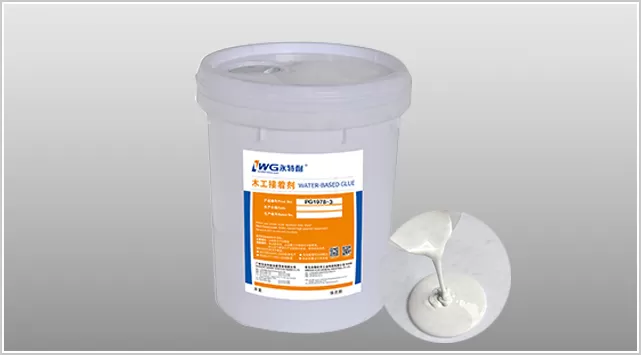
In summer, when temperatures are above 30°C, the reaction speed between the curing agent and the adhesive accelerates due to the high heat, generating a large amount of bubbles. Additionally, as the temperature rises, the adhesive surface tends to skin over easily. Therefore, the adhesive coating amount must be increased by 10%. When the temperature rises to 35°C, the viscosity of the adhesive increases rapidly, and a film easily forms on the surface, potentially leading to dry bonding. It is recommended to increase the coating amount by 20% or switch to double-sided coating and assemble immediately after application. During high summer temperatures, do not leave the applied adhesive exposed to the air for more than two minutes. At the same time, check the adhesive surface to ensure it remains moist without forming a dry skin.
In winter, when temperatures are between 0–10°C, the bonding work area should be heated; for low-temperature cold pressing, the working temperature should be above 5°C. When temperatures are below 20°C, appropriately increase the amount of curing agent added, ensuring it is between 13% and 15%, and extend the cold pressing time. The standard coating amount is 220 (winter) to 280 (summer) g/m²; ensure even distribution and avoid missed spots or excessive local application.
Delving into the five core processes of woodworking applications: edge banding, surfacing, laminating, splicing, and assembly, Winternal Woodworking Adhesive is stricter than you are about the detailed quality of your product manufacturing! If you are interested in our woodworking adhesives or have questions, feel free to click the online customer service button or call our national unified discount hotline: 400-788-2233. Winternal's professional edge-gluing adhesive consultants are sincerely looking forward to your inquiry!