
Yongtenai explains common application methods for woodworking glue.
When applying adhesive, paying attention to five key tips can avoid many problems. So, in the operational process, what are the methods of adhesive application, and what are the differences between these methods? Hot melt adhesive supplier Yongtenai introduces the commonly used adhesive application methods in production. The commonly used adhesive application methods in production include brush gluing, spreader gluing, spray gluing, dip gluing, injection gluing, flow gluing, and roller gluing, e
Paying attention to five key tips during glue application can avoid many problems. So, in the operating process, what are the glue application methods, and how do these methods differ? Hot melt adhesive supplier IWG Wong Te Nai introduces the commonly used glue application methods in production.
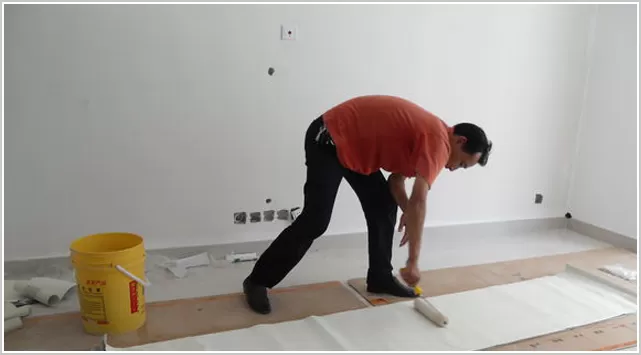
Commonly used glue application methods in production include brushing, scraping, spraying, dipping, injecting, dripping, and rolling. For adhesive film, it can be applied and then rolled before the solvent completely evaporates; adhesive powder can be sprinkled onto the heated surface to be bonded.
Brushing: Use a brush (or a glass rod) to spread the glue from the center toward the edges over the entire bonding surface, or apply in one direction without back-and-forth motion, at a slow speed to prevent bubbles, striving for an even and uniform coating.
Scraping: Use a scraper blade to apply high-viscosity adhesives or paste glues onto the bonding surface, ensuring an even and uniform spread.
Spraying: Use a specialized spray glue gun with dry compressed air to spray the adhesive onto the bonding surface. The glue layer is uniform and efficiency is high, making it suitable for large-area bonding and mass production.
Dipping: Immerse the part to be bonded into the glue solution, allowing it to pick up the adhesive. This is used for screw fixing and bonding the ends of rods or panels.
Injecting: Use a syringe to inject adhesive into the bonding gap, suitable for applications where tack welding is done first followed by adhesive injection.
Dripping: Let the adhesive flow evenly and continuously from a small nozzle on a reservoir onto the bonding surface. This method offers high efficiency and good quality, suitable for continuous production.
Rolling: When applying glue to broad, flat surfaces, using a glue roller is more convenient, offering good glue layer quality, easy operation, and high efficiency. Glue rollers are often made from porous absorbent materials such as wool, foam plastic, and sponge rubber. These types of rollers are prone to corrosion and deformation from prolonged contact with solvent-based adhesives, making them more suitable for applying emulsion-type water-based adhesives. During operation, the roller is first coated with adhesive on a flat tray, then light pressure is applied before pressing it onto the surface of the workpiece.
The glue film applied by rolling is relatively uniform with no sagging, but edges and corners may not be easily reached and require touch-up with a brush.
The industry pioneer of the "Dual-Core Value Chain," IWG Wong Te Nai Woodworking Adhesives, supported by advanced technology and diversified products, ensures the detailed quality of products through pre-sales, in-sales, and after-sales stages. What are you waiting for?! Click to contact our online customer service now, or call the nationwide unified hotline at: 400-788-2233. An IWG Wong Te Nai woodworking adhesive consultant is waiting for you!