
Wood glue application tricks: five aspects to note.
Glue application is a seemingly simple but very meticulous task in the use of woodworking adhesives. Factors such as the amount of glue applied, thickness, and application method all affect the progress of subsequent processes and the quality of the finished product. Yongtenai, a woodworking adhesive expert, reveals the key tips for woodworking glue application technology. There are five major precautions—the precautions for the glue application process are as follows: 1. The amount of glue and
Gluing is a seemingly simple yet very meticulous task in the use of woodworking adhesives. The amount of glue applied, the thickness, the application method, and other factors all affect the progress of subsequent processes and the quality of the final product. Woodworking adhesive expert Yongtenai reveals the key techniques for woodworking glue application, highlighting five major points of attention—
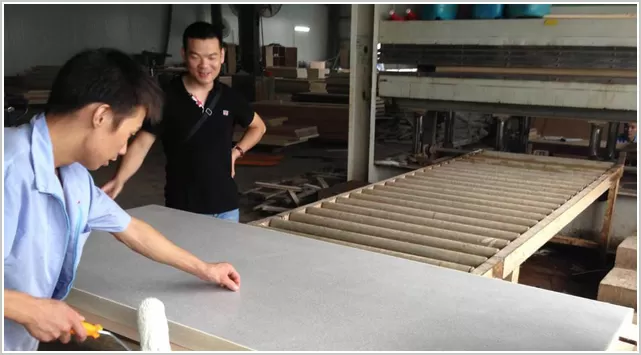
Precautions in the gluing process are as follows:
1. The amount of glue applied and the number of coating layers vary depending on the adhesive and should follow the specified instructions. For example, epoxy glue requires only one coat, while most solvent-based adhesives need two or even three coats. Additionally, for bonding porous materials, the amount of glue and the number of coats should be appropriately increased.
When applying multiple coats, make sure the previous solvent has substantially evaporated before applying the next coat, and the first adhesive layer should be as thin as possible.
2. Control the glue layer thickness. The amount of glue applied controls the glue layer thickness, which is closely related to bond strength. The general rule is that bond strength increases as the glue layer thickness decreases. A thinner glue layer reduces the possibility of glue-starved joints, resulting in lower internal stress and thus higher bond strength. However, if the glue layer thickness falls below a certain value, a continuous film cannot form, and bond strength will actually decrease. When subjected to peel forces, a slightly thicker layer provides higher peel strength. The optimal glue layer thickness varies for different types of adhesives. Typically, it is 0.1–0.2mm for inorganic adhesives and 0.05–0.15mm for organic adhesives.
3. Ensure a uniform glue layer. Air bubbles or glue-starved areas within the adhesive layer create weak points in the bond joint, seriously affecting bond strength. Pay attention to uniform glue application, especially when applying high-viscosity paste adhesives, to prevent air bubbles caused by uneven spreading.
4. Solvents in the glue layer must fully evaporate. Residual solvents in the adhesive layer can severely impair the performance of the bonded joint. This is particularly critical for metal bonding joints. To allow solvents in the adhesive layer to fully volatilize, apply solvent-containing adhesives in multiple coats. Do not over-dry, especially the final drying stage, as excessive viscosity will prevent bonding. During the drying process, avoid contamination of the glue surface by airborne dust.
5. Bond at the right time. For adhesives without solvents, bonding can be done immediately after application. For solvent-containing adhesives, after the applied adhesive has dried for the appropriate time, press the bonding surfaces firmly together, ensuring careful alignment. For liquid, solvent-free adhesives, slide them back and forth slightly upon joining to increase contact and expel air.
Delving into the five core process segments of woodworking application: edge banding, veneering, laminating, jointing, and assembly, Yongtenai Woodworking Adhesives is stricter than you are about the detailed quality of your product production! If you are interested in or have questions about our woodworking glues, please feel free to click online customer service or call the national unified preferential hotline: 400-788-2233. The Yongtenai team looks forward to your inquiry!