
Panel edge banding adhesive manufacturer tells you: maintenance during glue use in edge banding mach
Panel edge banding adhesive is a type of adhesive specifically used for bonding engineered wood panels. It is an environmentally friendly, solvent-free thermoplastic adhesive. Before use, trial runs must be performed on the edge banding adhesive, and relevant adjustments should be made in terms of adhesive selection and process parameters. The panel edge banding adhesive manufacturer, Yongtenai, through extensive testing by trial operators, has summarized the following aspects that must be under
Panel Edge Banding Adhesive is a category of adhesive specifically designed for bonding man-made panels. It is an environmentally friendly, solvent-free thermoplastic adhesive. Before use, a trial run of the edge banding adhesive must be conducted, and corresponding adjustments should be made in the selection of the edge banding adhesive and the process. Panel Edge Banding Adhesive manufacturer Yongtenai, after numerous tests by trial operators, has summarized the following aspects that must be understood before going for a trial:
1. The condition of the substrates to be bonded, including the panel (type, surface condition, moisture content, secondary components and residues, etc.) and the edge banding (type, hardness, thickness, creep temperature, etc.).
2. The condition of the gluing machine (type, operating temperature, feed speed, whether the glue roller and pressure roller are correct and intact, etc.). Make a preliminary judgment on the type of adhesive it uses.
3. Environmental conditions of the workplace: including temperature (recommended to be maintained above 15°C), humidity (30%–50%), dust (for dusty environments, dust removal is necessary and ensure the hot melt adhesive is not contaminated).
4. Usage of adhesives from other manufacturers.
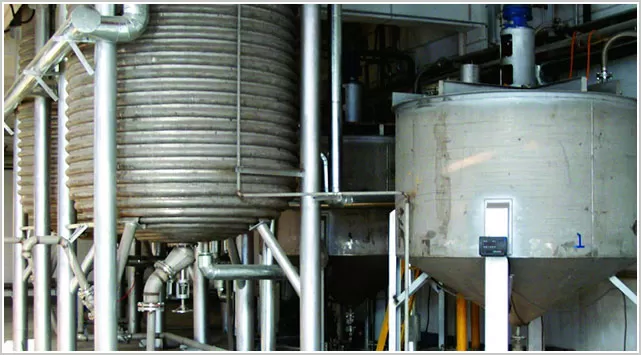
Panel Edge Banding Adhesive Manufacturer
Trial Operation Precautions:
1. Before trial operation, the glue tank should be cleaned. If necessary, the gluing machine should be cleaned.
2. When melting the adhesive, adjust the temperature of the glue tank and glue hose according to the panel conditions. Within the operating temperature range, if the panel is porous and uneven, set the glue hose temperature at the lower end of the adhesive's operating temperature range to increase viscosity; if the panel is dense and uniform, set the glue hose temperature at the higher end to improve wetting of the panel. Observe the bonding during use, and make further adjustments based on the adhesive layer. If the ambient temperature is low, it is recommended to slightly increase the glue hose temperature.
3. Evaluate and analyze components with poor or unsuitable bonding to identify the root cause of the problem. (Common problem analysis follows later). Guide the adhesive operators on correct gluing processes and points to note.
During use, in addition to ensuring that the substrates and processes are in the specified state, attention must be paid to the maintenance of the gluing machine.
Edge Banding Machine Maintenance Precautions:
(1) When the edge banding machine is not in operation, reduce the temperature of the glue tank by 20–50°C. On one hand, this can prevent the panel edge banding adhesive from carbonizing due to long-term exposure to operating temperature, keeping the glue tank clean and avoiding blockage of the glue supply system and reduced heating performance; on the other hand, when work resumes, the glue tank can be quickly heated up to operating temperature. In addition, the glue tank must maintain more than 2/3 of its capacity with adhesive, otherwise black carbonized substances will form around the tank;
(2) Regularly clean the glue tank and glue roller. Excessive carbonized substances around the glue tank and residues on the glue roller will reduce the performance of the heating system and glue supply system.
(3) If you need to remove residual adhesive from the glue tank, before the edge banding machine stops working, while the adhesive is still in a molten state, place a T-shaped object into the adhesive. After the adhesive has completely cooled, reheat it. Since the adhesive at the bottom and around the tank melts first when heated, you can then use the T-shaped object to take out most of the residual adhesive. After the gluing machine has completely cooled, use a 1:1 mixture of toluene and methylene chloride to clean the remaining adhesive.
We have meticulously studied the five core processes in the woodworking industry application: edge banding, veneering, laminating, splicing, and assembly. For the detail quality in your product production, Yongtenai, a professional Panel Edge Banding Adhesive manufacturer, is stricter than you are! If you are interested in our Panel Edge Banding Adhesive or have any questions, please click the online customer service, or call the national unified discount hotline: 400-788-2233. The Yongtenai team is wholeheartedly looking forward to your inquiry!