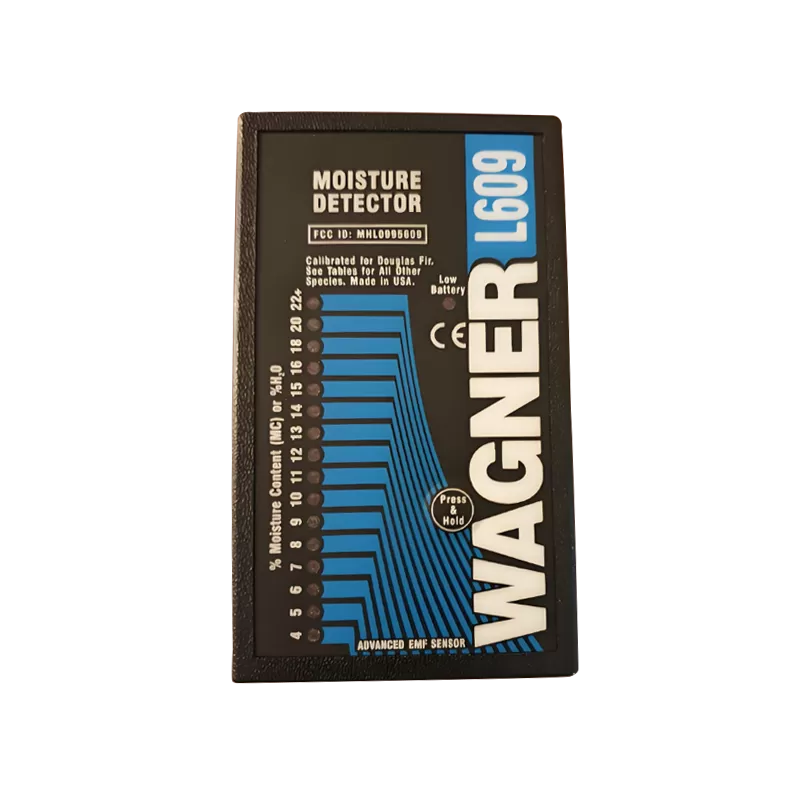
L609
L609 from IWG, covering wood adhesive, industrial adhesive, hot melt adhesive and application support.
View details
IWG adhesive product families include PUR hot melt, EVA hot melt, water-based adhesive and industrial bonding systems.
L609 from IWG, covering wood adhesive, industrial adhesive, hot melt adhesive and application support.
View details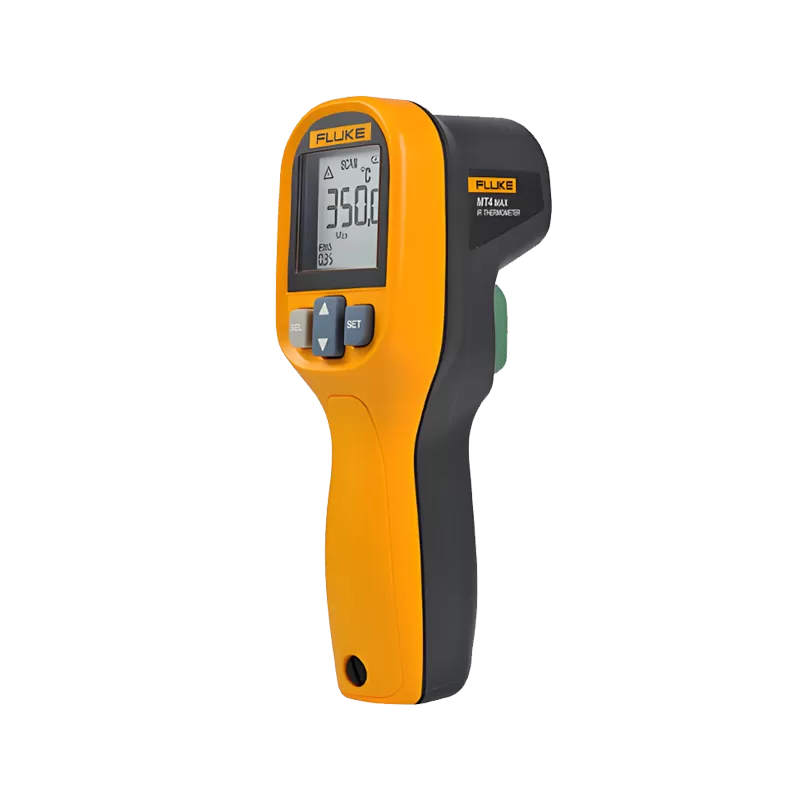
MT4 from IWG, covering wood adhesive, industrial adhesive, hot melt adhesive and application support.
View details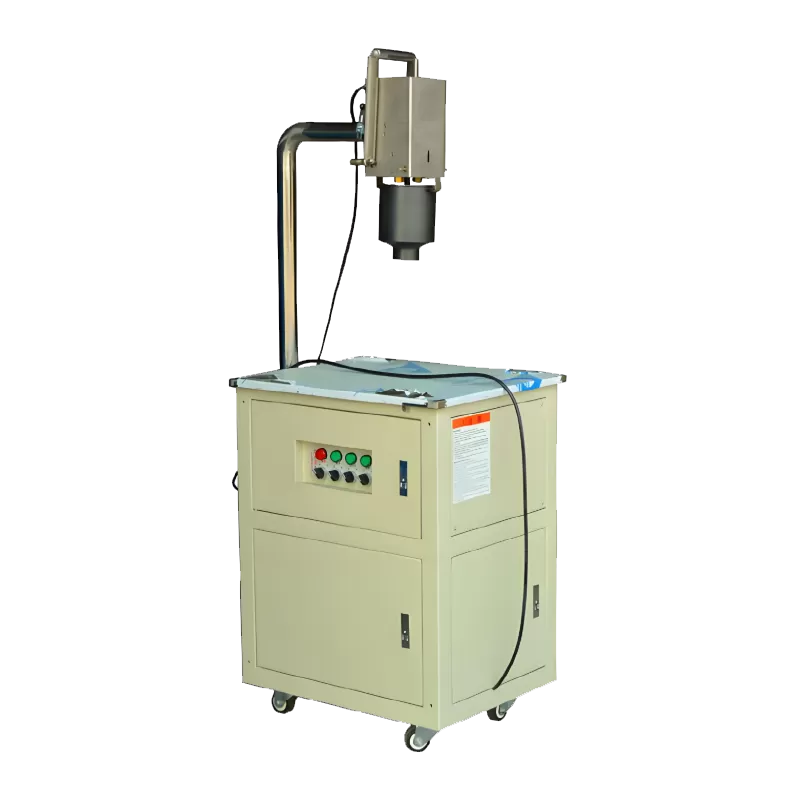
Adhesive Mixer from IWG, covering wood adhesive, industrial adhesive, hot melt adhesive and application support.
View details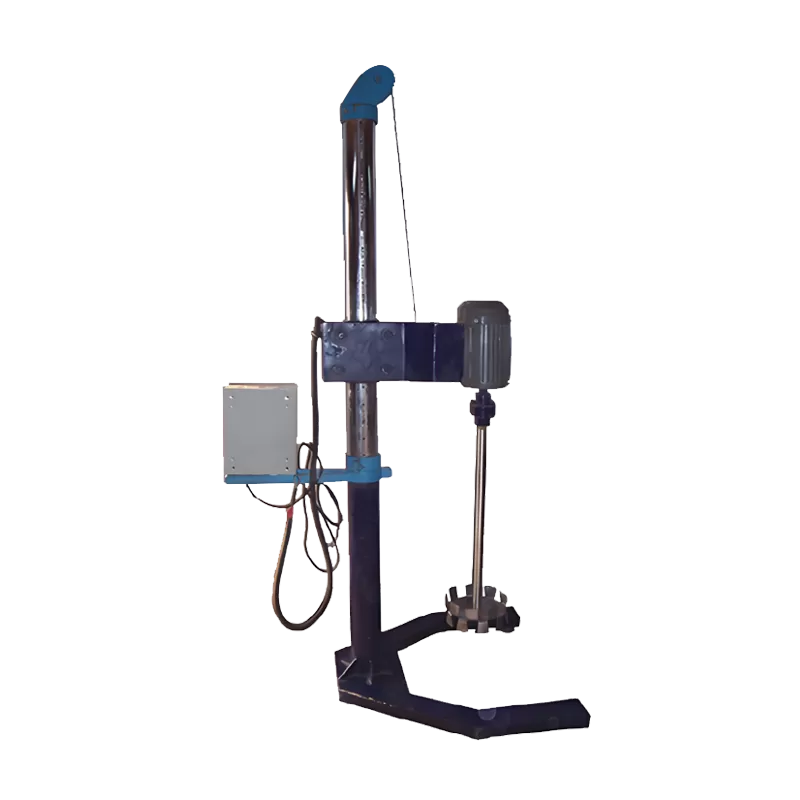
Agitator / Mixer from IWG, covering wood adhesive, industrial adhesive, hot melt adhesive and application support.
View details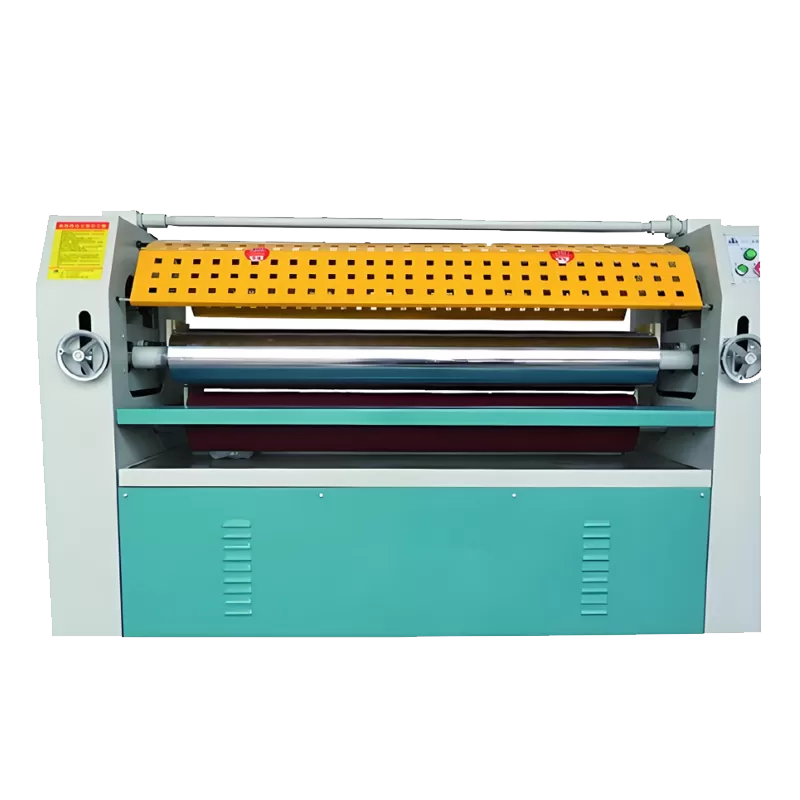
Fabric Gluing Machine from IWG, covering wood adhesive, industrial adhesive, hot melt adhesive and application support.
View details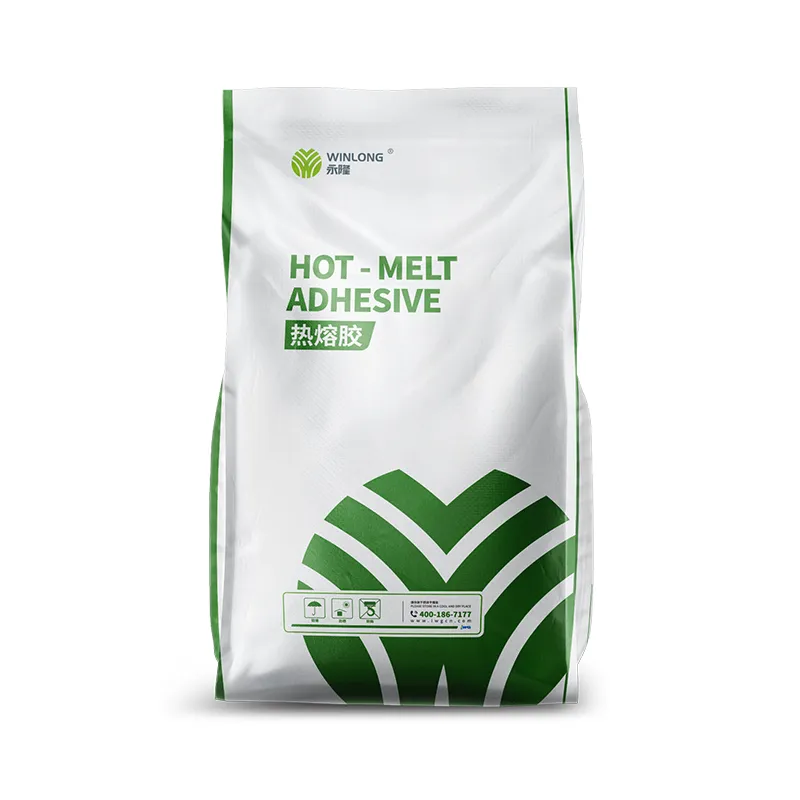
Fast melting speed, high tensile strength, very good adhesion and wetting properties, and good solvent resistance. Suitable for PVC edge banding of particleboard, MDF, multi-layer board, and blockboard, and applied in panel-type furniture, suite furniture, wooden doors, and the like.
View details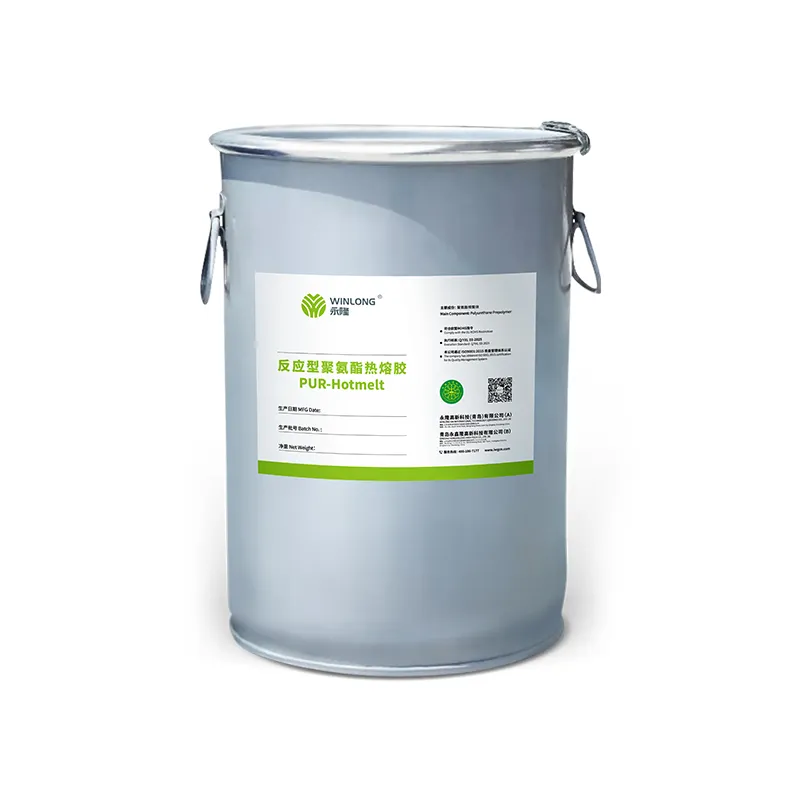
Dual-season precise control, smooth seasonal transition — 70570 summer version applicable temperature 15-48°C, winter version applicable temperature -5-30°C, original 15-30°C temperature overlap zone, goodbye to traditional three-season temperature fluctuation issues, smoothly transition spring and autumn adhesive solutions, preventing inventory buildup. Strong high initial tack, continuous line operation without interruption — 70570 has been proven through extensive on-site high-temperature app
View details
Good flowability, long open time, usable at room temperature for 3 days, good instant tensile strength, excellent wetting and low coating weight — a high-quality product.
View details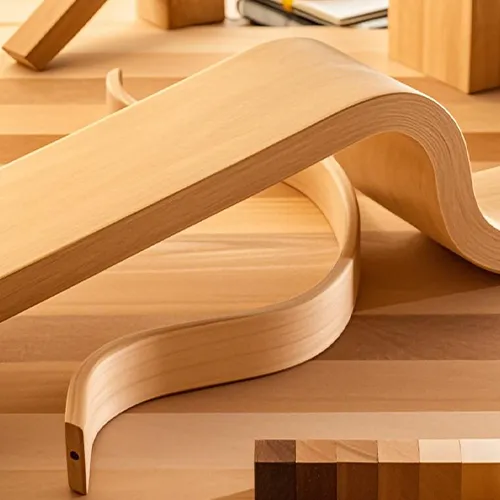
Single-component UF glue powder, a thermosetting adhesive product, mixed with 50% water before use; long pot life, easy handling, E0 formaldehyde emission grade product; suitable for laminating various wood veneers onto various substrates, for veneering applications on high-grade wooden furniture; suitable for hot pressing and high-frequency processing of various curved wood panels with irregular bends, fast thermal reaction, good shape retention, no springback.
View details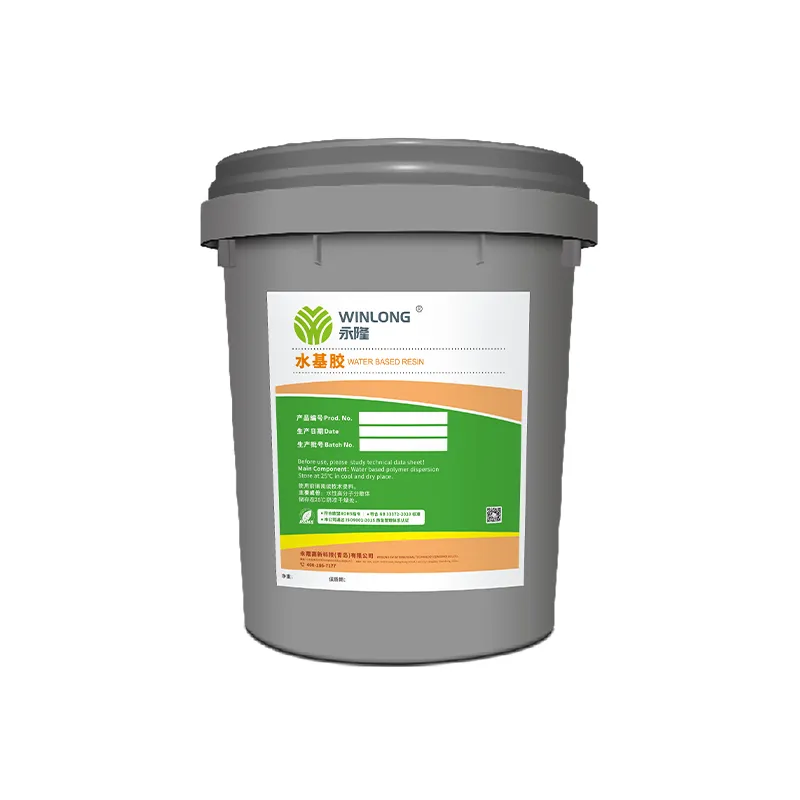
High-quality one-component hot-press wood veneer adhesive; long open time, fast heat-reactive curing; suitable for hot press and single-layer short-cycle hot press line applications, also suitable for marquetry panel pressing applications; easy to use, NAF-grade environmentally friendly adhesive product, D3 water resistance rating.
View details
High solid content, fast thermal reaction water-based adhesive. Easy to apply, D3 waterproof and NAF environmental grade product. Suitable for three-layer microwave composite thickening process for doors.
View details
High-quality one-component water-based assembly adhesive; high solids content, fast curing, D3 waterproof NAF environmental grade; suitable for various structural ambient-temperature and high-frequency assembly applications; fast thermal reactivity, filler-free product with high shear strength.
View details