





PUR edge bonding adhesive selection guide: Selection methods from substrate, line speed, open time to heat and moisture resistance
What furniture edge sealing scenarios are suitable for PUR edge sealing adhesive
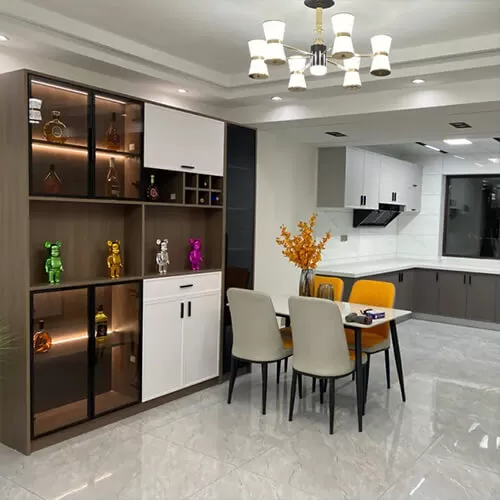
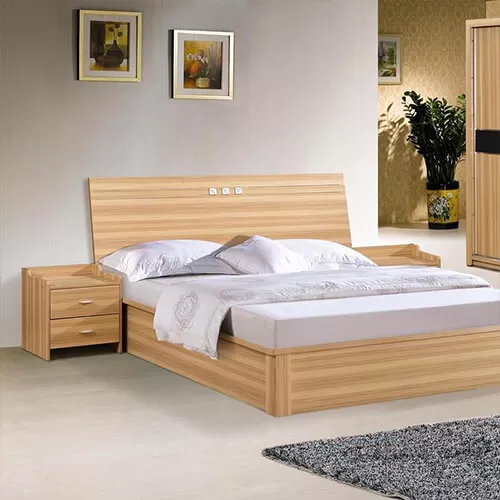
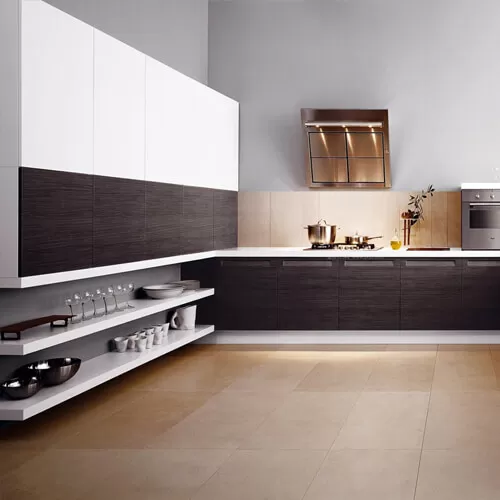
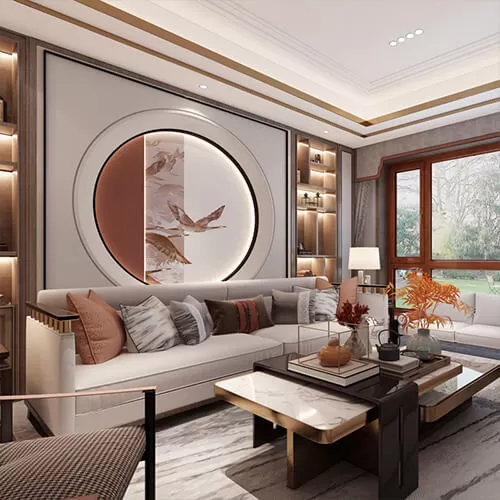
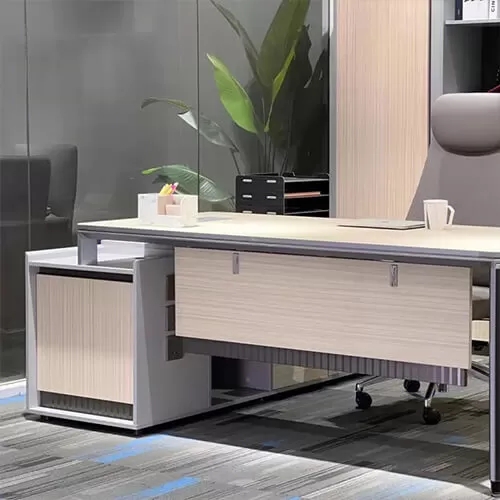
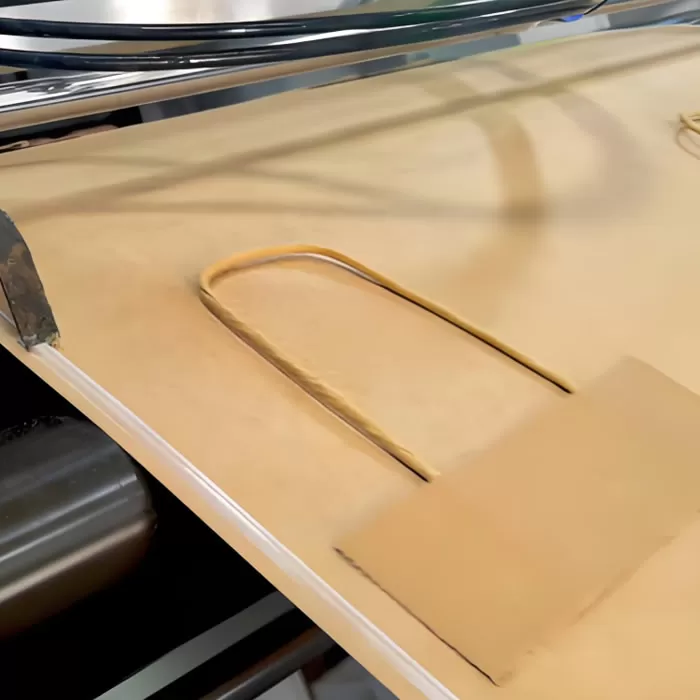
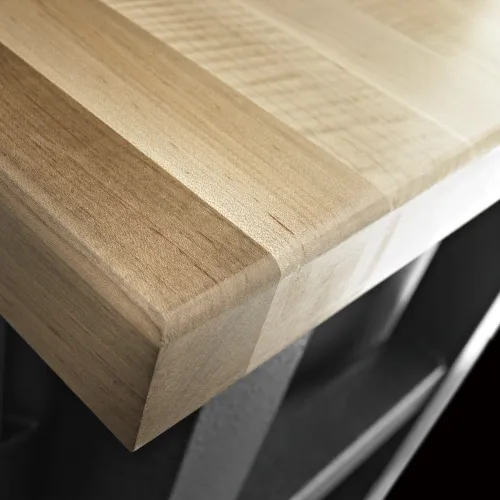
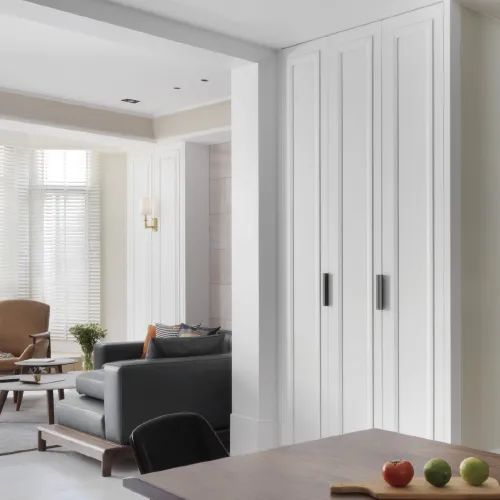
PUR edge banding adhesive belongs to reactive polyurethane hot melt adhesive. During construction, it is first coated and bonded in a hot melt state, and then continues to react and solidify with trace amounts of moisture in the air or material. Compared with ordinary thermoplastic hot melt adhesives, its core value is not only the initial bonding speed, but also the heat resistance, moisture resistance, cleaning agent resistance, and durability after curing. For customized furniture, cabinets, bathroom cabinets, integrated door and wall cabinets, laboratory furniture, commercial space furniture, and high-end panel furniture with high requirements for adhesive appearance, PUR edge banding adhesive is usually easier to meet long-term use requirements.
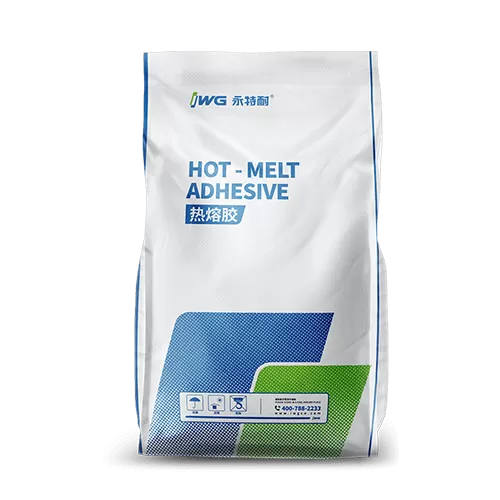
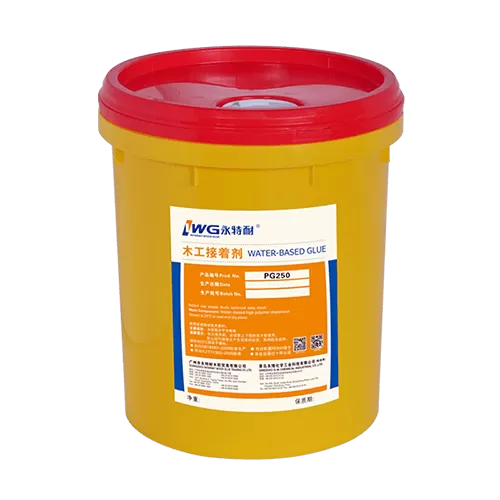
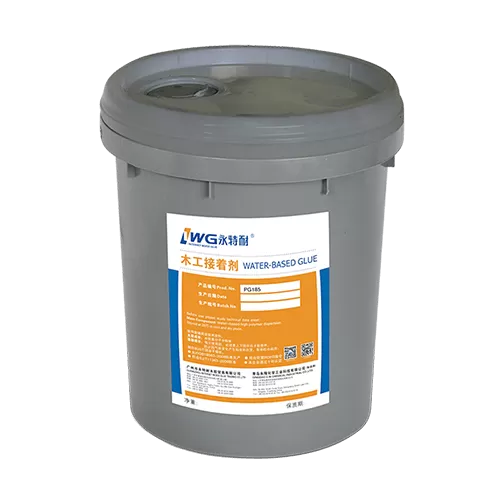
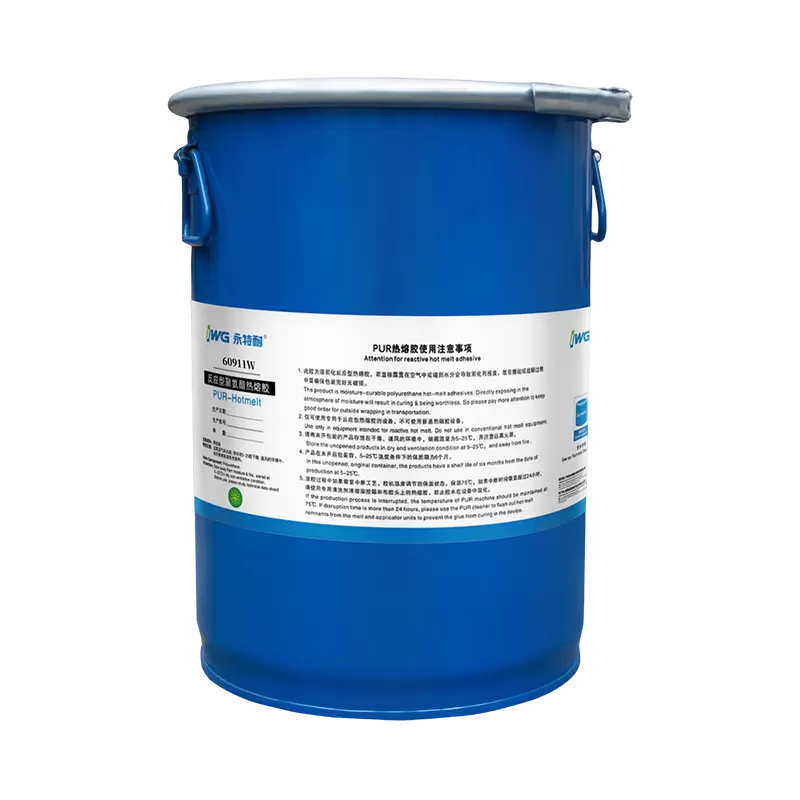
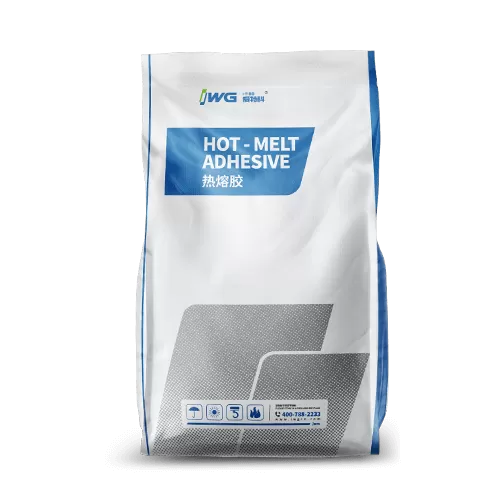
In actual selection, we cannot just look at the alias "PUR". The viscosity, opening time, initial adhesion, adhesive amount, applicable line speed, cleaning method, and requirements for equipment sealing of different PUR edge sealing adhesives are not completely the same. Before importing, the factory should first clarify the substrate, edge banding strip, edge banding machine structure, adhesive glue system, environmental humidity, production cycle, and target detection items, and then determine the specific model through sample verification. IWG's PUR edge sealing hot melt adhesive series is mainly aimed at furniture edge sealing, profile wrapping, and wooden bonding scenarios. For product details, please refer to PUR edge sealing adhesive 60911W.
The core difference between PUR and EVA edge banding adhesive
EVA edge banding adhesive mainly relies on cooling to form a thermoplastic adhesive layer, which has the advantages of universal application, low equipment requirements, relatively simple adhesive replacement and cleaning, and easy overall cost control. PUR edge banding adhesive continues to undergo moisture curing reaction after cooling and initial solidification. After curing, the adhesive layer is no longer easily re softened by high temperature like ordinary thermoplastic adhesive. Therefore, it has advantages in heat resistance, moisture resistance, water vapor resistance, and chemical cleaning resistance.
If the product is mainly used in ordinary indoor dry environments, the edge sealing material and board are stable, and the order places more emphasis on efficiency and cost, EVA edge sealing adhesive is still a common choice. If the product is aimed at kitchens, bathrooms, humid coastal environments, high-temperature transportation, export containers, door panels without handles, narrow or dark glossy door panels, the value of PUR edge banding adhesive will be more apparent. When selecting, it is not recommended to simply understand the two as "who is better", but to make a comprehensive judgment based on the terminal environment, appearance level, repair cost, customer complaint risk, and equipment conditions.
Process parameters that must be confirmed before selection
Before selecting PUR edge banding adhesive, it is recommended to confirm at least nine types of information: board type, edge banding type, edge banding thickness, edge banding machine brand and adhesive structure, line speed range, glue pot or pre melting system temperature, roller pressure, workshop temperature and humidity, and the testing or customer acceptance standards that the finished product needs to pass. When these parameters are missing, suppliers can only provide general direction suggestions and cannot guarantee stable results in one sample.
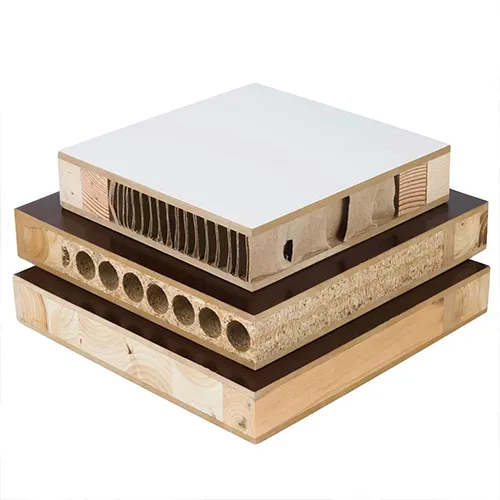
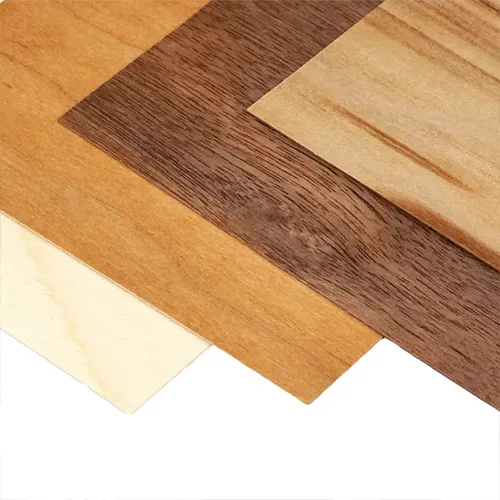
In terms of board materials, it is necessary to distinguish between different substrates such as particleboard, medium fiber board, multi-layer board, solid wood particle board, ecological board, flame retardant board, moisture-proof board, etc. In terms of edge sealing materials, it is necessary to distinguish between PVC, ABS, PP, CPL, acrylic, high gloss, skin film, wood veneer, and thin edge strips. The surface energy, back coating treatment, and thickness of different materials can affect wetting, initial adhesion, and final peel strength. For materials with darker colors or specular highlights, it is also important to pay attention to issues such as glue line thickness, contamination, wire drawing, and indentation.
How to match the line speed, opening time, and gluing temperature
The faster the line speed, the shorter the time between adhesive release and compression, and usually requires products with faster initial adhesion, more thorough wetting, and better thermal stability. When the line speed is slow or the open equipment is long, it is necessary to avoid the adhesive layer losing its adhesive window prematurely. The commonly used search term "PUR edge banding adhesive manufacturer recommendation" mentioned in the audit is often not the manufacturer list that users really want to solve, but "which type of adhesive is suitable for my equipment and materials". Therefore, both the article and product page should continue to explain the relationship between line speed, opening time, glue temperature, and materials.
The higher the adhesive temperature, the better. Low temperature may lead to insufficient colloid melting, poor wetting, and insufficient initial adhesion; Excessive temperature may accelerate colloid aging, increase wire drawing, affect color stability, and increase equipment cleaning difficulty. PUR glue should also pay attention to the sealing of the glue pot, nitrogen protection, or barrel packaging method to avoid premature reaction due to long-term exposure to humid air. Before formal mass production, the stability of the adhesive line, peeling, trimming, trimming, and long-term storage should be confirmed through small-scale trial production.
Focus on different edge banding materials
PVC and ABS edge banding are the most common materials in panel furniture, and the selection focuses on back coating stability, thickness, surface treatment, and pressed windows. Thick edge strips require higher initial adhesion and compression pressure, while thin edge strips are more prone to exposing adhesive lines and contamination issues. CPL、 Woodskin or special decorative materials have higher requirements for wetting and resistance to subsequent processing, and should be tested in conjunction with sanding, trimming, polishing, and the use of cleaning agents.
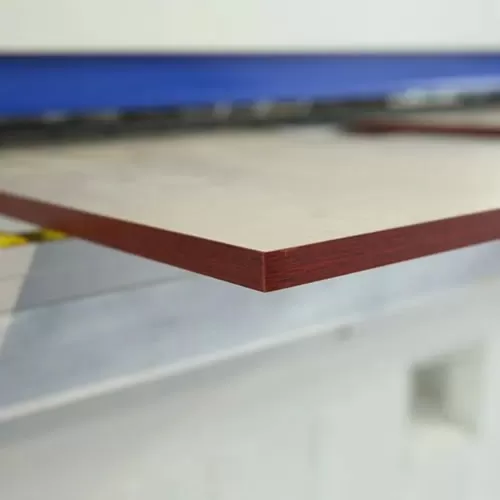
For high gloss panels, skin sensitive panels, dark color panels, and narrow edge door panels, the appearance of the adhesive line is a key indicator. PUR edge banding adhesive can help achieve finer and more stable adhesive lines, but the prerequisite is that the equipment accuracy, adhesive amount, and back coating of the edge banding strip can all be matched. If the equipment has board jumping, roller wear, unstable cutting tools, or fluctuations in the amount of glue applied, simply replacing the glue may not solve the appearance problem, and the mechanical state needs to be adjusted at the same time.
How to verify the requirements for heat resistance, moisture resistance, and cleaning agents
Many furniture factories used to only conduct instant peel strength testing, but PUR edge banding adhesive should be evaluated based on its performance after curing. It is recommended to set verification items such as room temperature storage, thermal cycling, humid heat, thermal shock, water vapor contact, cleaning agent wiping, and edge stripping after sampling. Different customers and export markets may have different acceptance methods, which cannot be judged solely based on the feel of the product just being produced on site.
In scenarios such as kitchens, bathrooms, schools, apartments, hotels, and commercial spaces, once the edge sealing quality fails, the repair cost will be much higher than the glue price difference. For such projects, it is recommended to prioritize PUR edge banding adhesive and include sampling records, process parameters, batch records, and exception handling methods in the mass production standards. When you need enterprise qualifications, certificates, testing reports, or patent information, you can check the IWG Verification Center.
Equipment cleaning and production management precautions
PUR edge banding adhesive poses higher requirements for equipment management. Before production, it is necessary to confirm the compatibility of the glue bucket, glue pot, glue roller, nozzle, pipeline, and cleaning agent; During shutdown, residual adhesive should be disposed of according to the requirements of the equipment manufacturer and adhesive supplier; When switching between different types of glue, avoid mixing glue. If the humidity in the workshop is high or the downtime is long, special attention should be paid to sealed storage to reduce the premature reaction of colloids.
For production management, PUR import is not as simple as "changing the glue", but establishing a stable process window. It is recommended to record the gluing temperature, line speed, roller pressure, environmental temperature and humidity, edge banding batch, board batch, appearance results, and peeling results for each sampling. The more complete the data, the easier it is to trace and optimize it in the future. For enterprises with multiple production bases and teams, a unified record format is more valuable than a single experience.
Recommended process for mass production import
The recommendation process can be divided into five steps. Firstly, collect materials and equipment parameters, clarify the target product and usage environment. Secondly, select one or two candidate models and make samples on standard boards and real edge banding strips. Thirdly, perform real-time appearance, trimming, peeling, and retesting after placement. Fourthly, conduct small-scale trial production and observe the drawing, glue accumulation, contamination, pressing stability, and cleaning conditions during continuous production. Fifth, form a mass production process card to fix temperature, line speed, glue amount, shutdown processing, and testing items.
If only one sampling result is used to determine long-term use, it is easy to overlook changes in season, humidity, material batch, and equipment status. A more secure approach is to import PUR edge banding adhesive as a system engineering, and have the adhesive supplier, equipment personnel, and production manager jointly confirm the parameters. IWG can provide more specific model recommendations and application support based on the board, edge banding, equipment, line speed, and target market.
Frequently Asked Questions
Is PUR edge banding necessarily better than EVA edge banding?
No. PUR is more suitable for projects that require high heat resistance, moisture resistance, adhesive appearance, and long-term stability; EVA is still suitable for a large number of ordinary indoor furniture and cost sensitive orders. The key is to select based on the scenario.
Can PUR edge banding adhesive directly replace the original EVA adhesive?
It is not recommended to replace directly. We need to confirm whether the equipment supports PUR, whether the sealing and cleaning methods of the glue pot match, and determine the temperature, line speed, and pressing parameters through sampling and small-scale trial production.
Why does the same PUR adhesive have different effects in different factories?
The results can be affected by factors such as sheet metal, back coating of edge banding strips, equipment precision, amount of adhesive applied, environmental humidity, wire speed, and operating habits. The same adhesive will exhibit different stability under different process windows.
What information is most needed when selecting?
At least provide the material and thickness of the board and edge banding, equipment model, wire speed, gluing temperature, workshop temperature and humidity, target detection requirements, and current problems encountered.


