








Rosewood Furniture
Solution Introduction
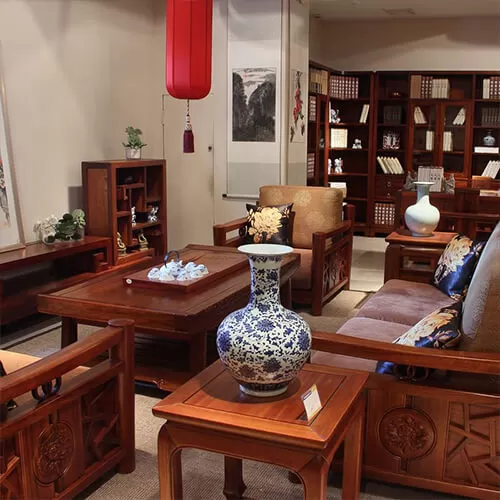
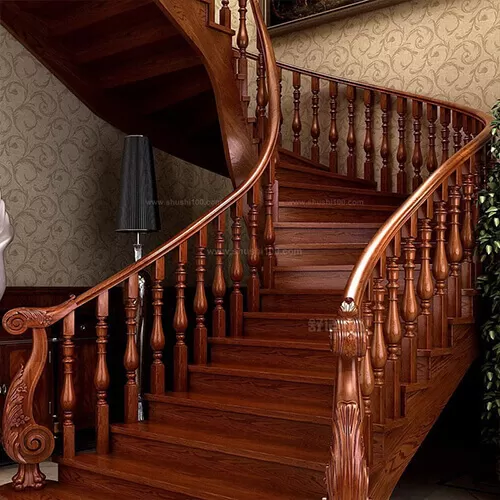
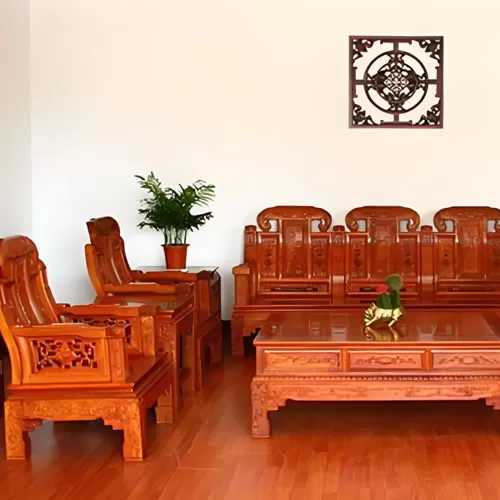
The value of rosewood furniture lies in its high value, taste, and carrier of Chinese culture. The application of oil hard materials makes rosewood furniture thick and luxurious. Pear, sour twig, sandalwood, chicken wing wood and other wood species have different values and characteristics depending on their production areas, and their wood properties vary greatly. Redwood products are rich and unique in terms of specific gravity, color, texture, and aroma.
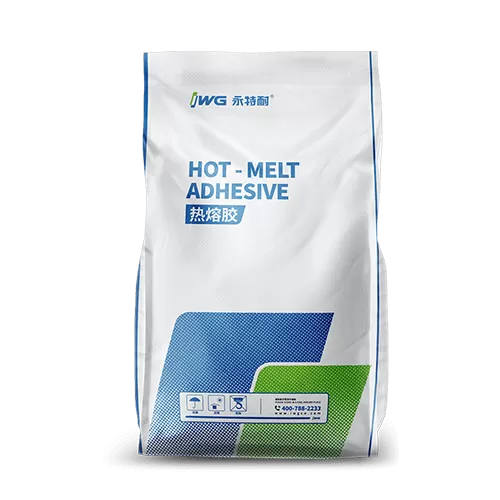
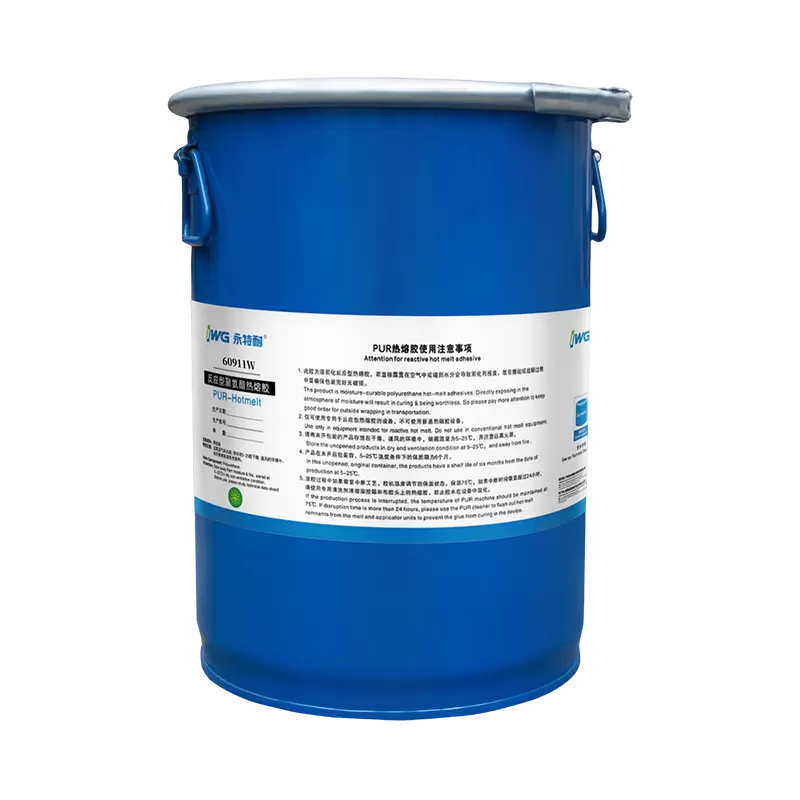
Redwood furniture has particularly high requirements for adhesives due to the special nature of the wood species. PU adhesive series and epoxy adhesive series are commonly used in the splicing, assembly, and repair of rosewood furniture. Tung oil and wood wax oil products are also widely used. Traditional Chinese woodworking structures are flexibly applied in rosewood products. All processes are combined with IWG's specialized adhesive to make rosewood furniture products more perfect. Fully demonstrate its noble, generous, and traditional temperament.
Solution for adhesive used in rosewood furniture, related processes, and recommended adhesives:
Splicing glueBrazilian Primrose Redwood:1963/1/1973-8 Teak wood oil hard material:8170/TE-901 Sandalwood high-density oil hard materials:8170/TE-901 | Assembly glueAssembly glue:901 AB glue/902 AB glue/908 AB glue Quick drying adhesive for repair: 101 |
Common problem analysis
What should be done if the joint of oil hard materials such as ebony and dragon phoenix sandalwood is prone to cracking?
Main cause analysis
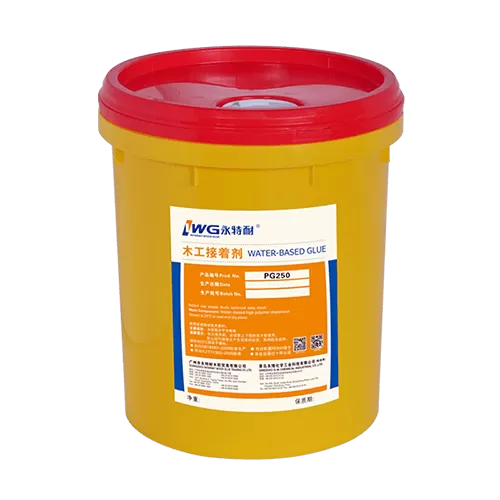
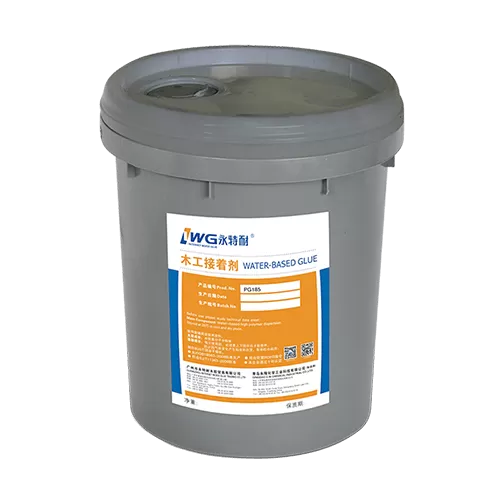
• The adhesive used for splicing high-density oily wood sandalwood is very special. Water based adhesives cannot achieve bonding strength, and it is necessary to use anhydrous polyurethane or super strong epoxy resin adhesives
Solution
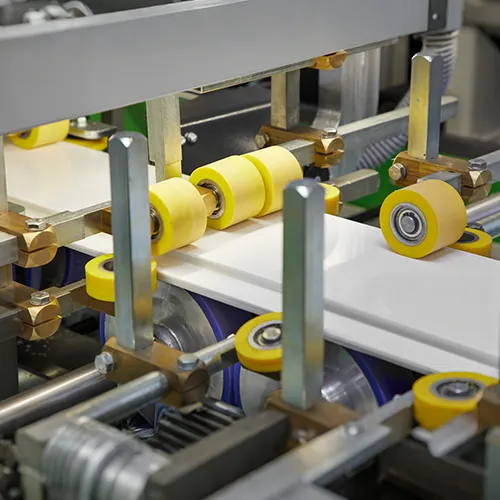
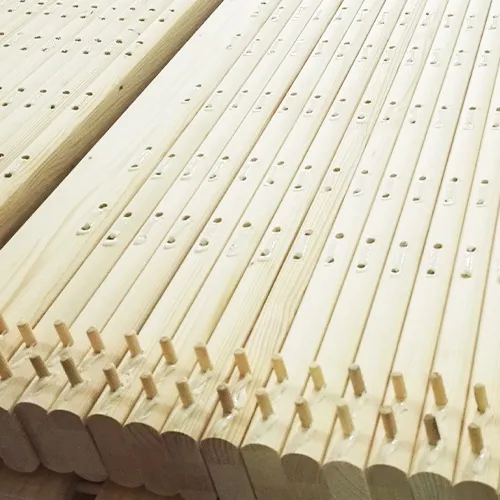
• Adjust the pressure of the pressure wheel and the height of the pressure beam to ensure a tight fit; Due to its special material, the adhesive is difficult to penetrate and produce bonding force, so the bonding surface should be increased to ensure the bonding strength at the bonding point. Usually, the bonding surface is processed into finger joint or male and female tenon joint to increase the bonding surface. Ensure the bonding strength at the adhesive joint.
What are the reasons why loose cracks are more likely to occur at the assembly structure of rosewood furniture?
Root cause
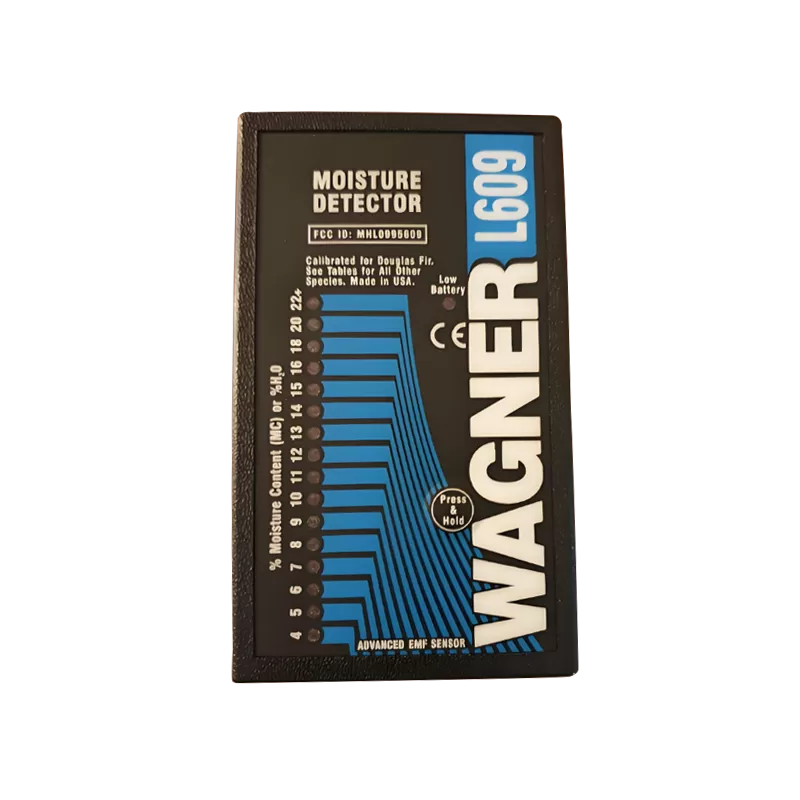
• The moisture content of the wood veneer is too high. After the edge banding is left in the air for a period of time, the wood veneer absorbs moisture. The glue will cool rapidly when it comes into contact with water during the edge banding operation, shortening the opening time of the glue. Due to the high moisture content, the wood veneer and non-woven fabric have already layered. The assembly of rosewood furniture must use anhydrous PU glue or epoxy resin glue to have bonding structural strength. Water based glue cannot be used for bonding rosewood materials.
Solution
• Redwood assembly structures, due to the characteristics of the base oil, it is difficult for adhesives to play the main role of structural force. The key lies in the construction force of the assembly structure. A sufficiently large bonding surface and processing accuracy are necessary to ensure the durability of the assembly structure, and adhesives play an auxiliary role in the assembly structure force.
Application Scenarios


