










Wood Products And Musical Instruments
Solution Introduction
IWG Woodworking Adhesive continuously optimizes and improves its adhesive application solutions in terms of quality, efficiency, and environmental protection, in order to create higher quality wooden musical instrument products. The water-based adhesive series is widely used in the field of wooden musical instruments such as guitars and pianos through high-frequency processing!
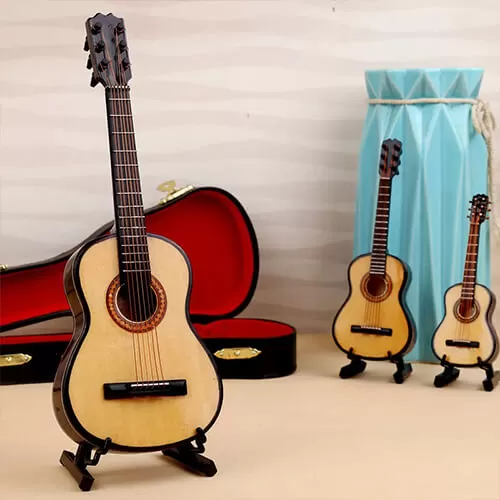
Guitar glue scheme, related processes, and recommended glue:
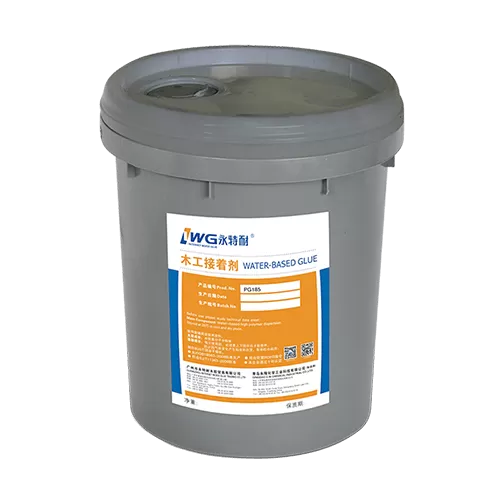
Side panel bending and shaping adhesiveE0 grade urea formaldehyde resin formula:607 formula EO grade water-based adhesive:PG185/SAP2136 | Bottom board/soundboard composite adhesiveCold press curing adhesive:PG66 High frequency curing adhesive:PG37FH-3/PG80 |
Related recommended adhesives14 degree splicing adhesive for handle:PG80/PG95/PG1268 String fixing adhesive:PG80/PG1268/101 | Related recommended adhesivesABS edging adhesive:ABS rubber particles Solid wood wrapping line adhesive:PG80/PG66 Adhesive for shaping strips:PG80/PG66 |
Electric guitar adhesive solution, related processes, and recommended adhesives:
Electric guitar glueVarious solid wood panel adhesives:PG1963/1/PG1268 |
Speaker glue scheme, related processes, and recommended glue:
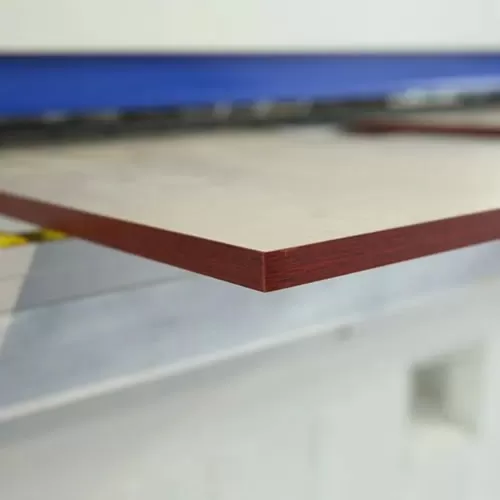
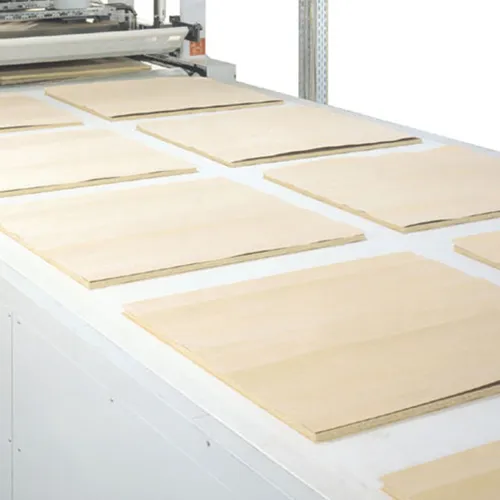
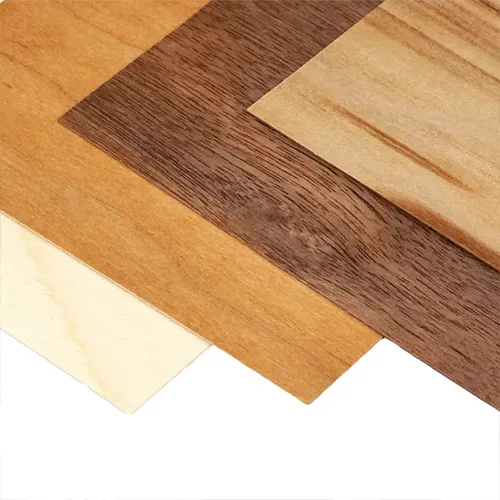
Stick PVC adhesive on MDFStick PVC adhesive on MDF:PG108/PG109 | Stick wood veneer adhesive on MDFCold pressing adhesive:Wood glue powder Stick wood veneer adhesive on MDF:Hot pressing adhesive PG661/SAP21360/PG621 adhesive powder |
PVC vacuum forming adhesivePVC vacuum forming adhesive:PG540/PG541-1 | MDF45 degree/V-groove assembly adhesiveGlue for baking paint and wooden boxes:M205 PVC box adhesive:PG300 Hot melt adhesive for positioning inside the speaker:SH30012/SH30018 |
Piano glue scheme, related processes, and recommended glue:
Recommendations for Piano GlueGlue for piano legs:PG1963-1/PG1962 Glue for piano foot assembly:PG95/PG1962 Adhesive for keyboard base assembly:PG95/PG1962 Keyboard molding adhesive:PG95/PG1962PG80/PG37FH-3 Glue for bending the piano side panel:E1 grade urea formaldehyde resin 608 rubber powder formula Glue for bending the piano side panel:E0 grade modified urea formaldehyde resin 607 formula Glue for molding and assembling various accessories of the piano:PG80/PG66/PG95 | Hammer molding adhesive:sixty thousand and three hundred Soundboard molding and splicing adhesive:PG1962/PG1963-1 Glue is used to stick the wooden skin on the piano shell:E1 grade urea formaldehyde resin 608 rubber powder formula Glue is used to stick the wooden veneer on the piano shell: E0 grade modified urea formaldehyde resin 607 formula Cold pressed veneer adhesive:sixty thousand and three hundred Cold pressed veneer adhesive:PG1962/PG1963-1/NH16/NH16H |
Common problem analysis
What is the reason why the 14 degree joint of the guitar handle is prone to cracking?
Main cause analysis and solutions:
• Firstly, it is necessary to ensure that the two surfaces of the 14 degree inclined plane are aligned and flat after cutting, without any jagged surfaces, coke, roughness, or other phenomena, which can easily lead to insufficient strength after bonding and subsequent cracking at the bonding site.
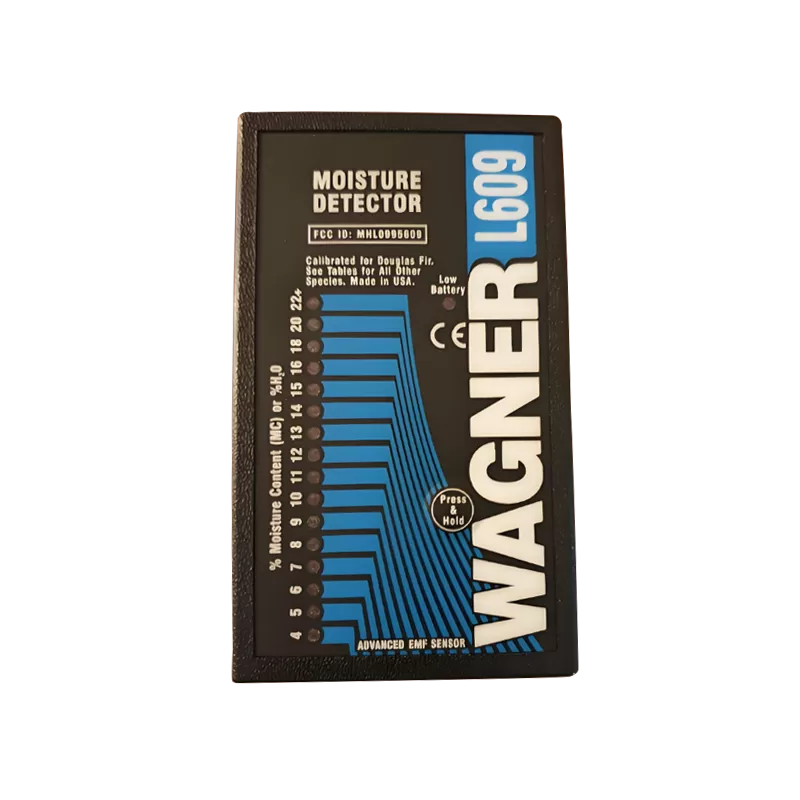
• The moisture content must be controlled within the range of 10%, so the structure itself is difficult to bond and cannot be affected by significant material stress changes.
• This special structural relationship must use adhesive with a waterproof grade of D3 or above, and after being fully cured, it must be left for at least 24 hours before proceeding to the next process.
Why are laminated speakers prone to bubbling or cracking?
Main cause analysis and solutions:
• Try not to use manual pasting or cold pressing technology to stick wood veneer on the speaker MDF. Use specialized hot pressing equipment to avoid many quality problems caused by operational issues.
• Use the hot pressing process to stick wood veneer together, and try to use water-based adhesives with high solid content or environmentally friendly rubber powder formulas to ensure quality. Bubbles may appear on the veneer surface due to the delamination of the MDF and the veneer adhesive, which is caused by the high moisture content of the adhesive.
Application Scenarios


