

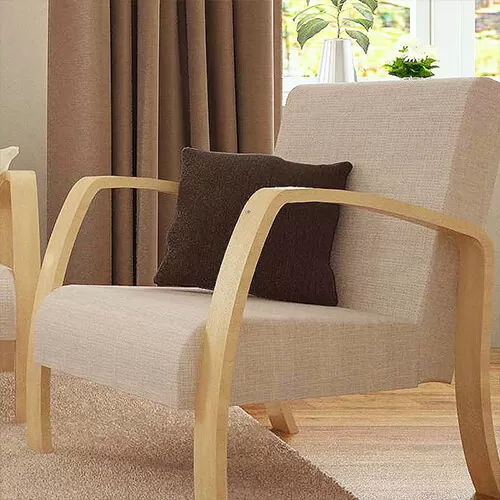
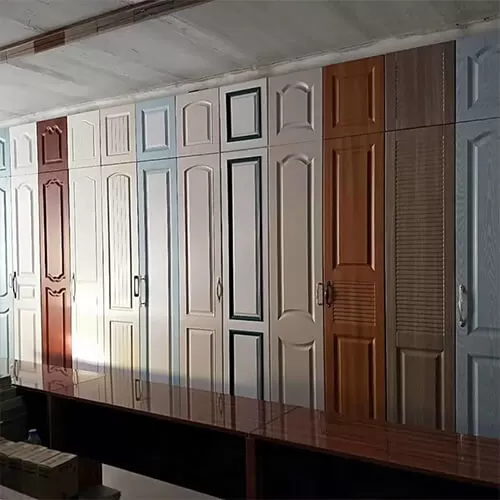



Solid Wood And Panel Furniture
Solution Introduction
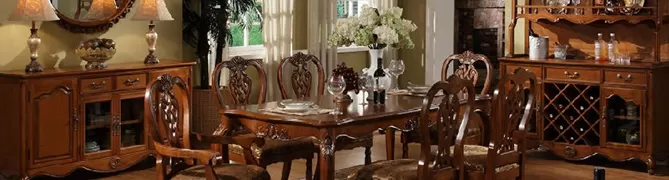
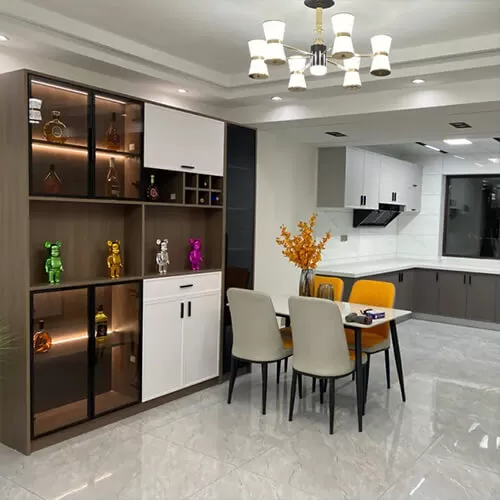
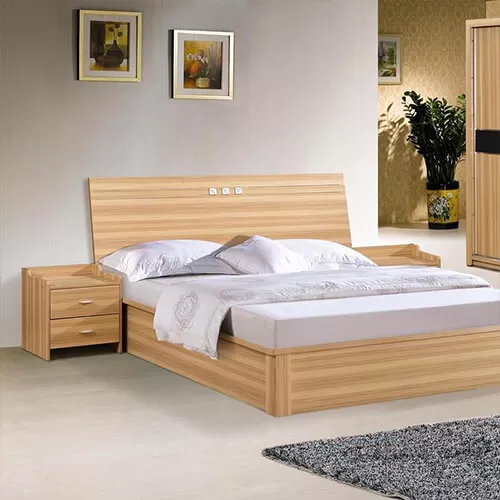
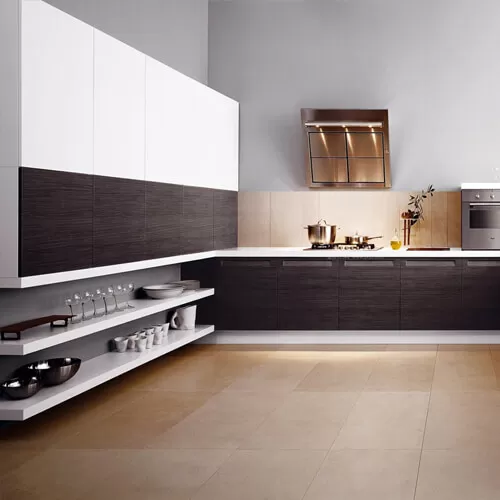
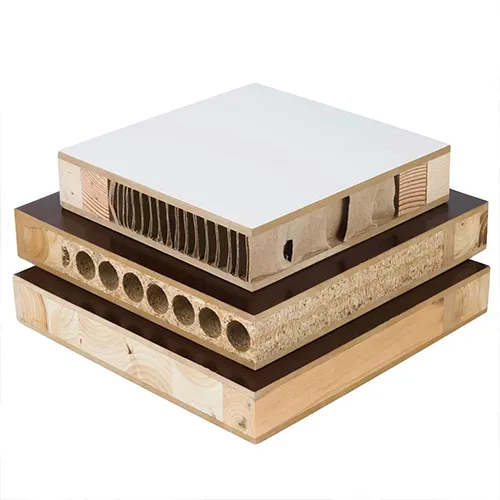
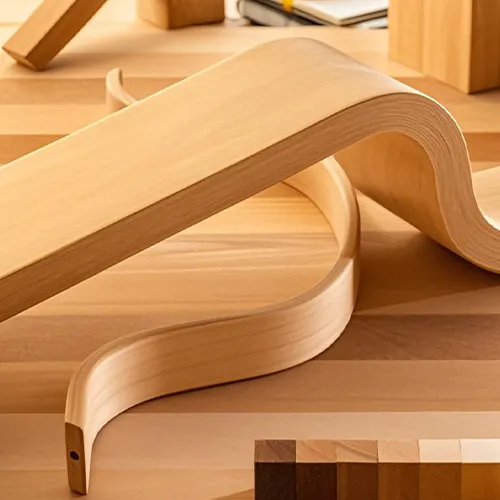
The variety and style of solid wood and board wood combined furniture are diverse, and the processing technology is complex with similarities and differences. Different processing equipment and technology produce high-quality and high-value solid wood and board wood furniture. Lead the mainstream high-end furniture market and develop home culture.
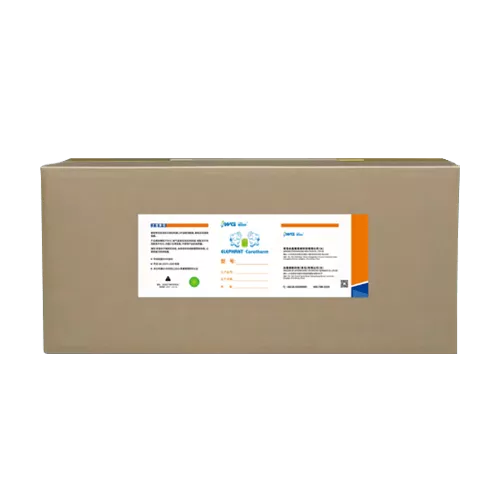
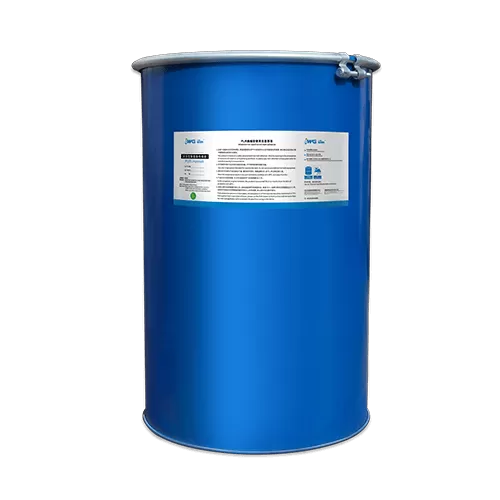
Solid wood adhesive series, wood veneer special adhesive series, various structural assembly adhesive series, edge sealing adhesive series, to meet the perfect and meticulous requirements of various manufacturing processes.
A team of technical experts with over 20 years of experience in furniture manufacturing and adhesive application, and the largest R&D team for woodworking adhesives in China, focusing on improving adhesive application solutions through process improvement. To provide personalized and all-round services for manufacturing high-quality solid wood and panel furniture.
Solid wood and panel furniture adhesive solutions, related processes, and recommended adhesives:
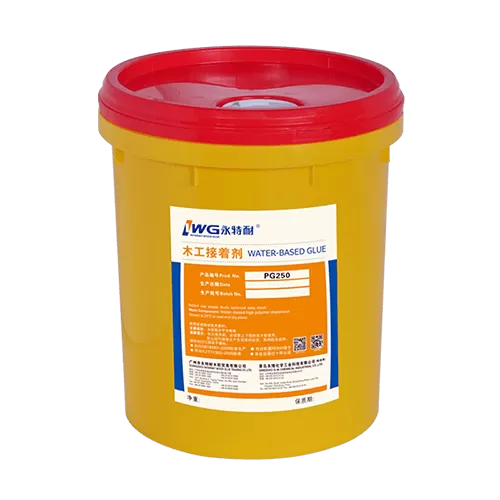
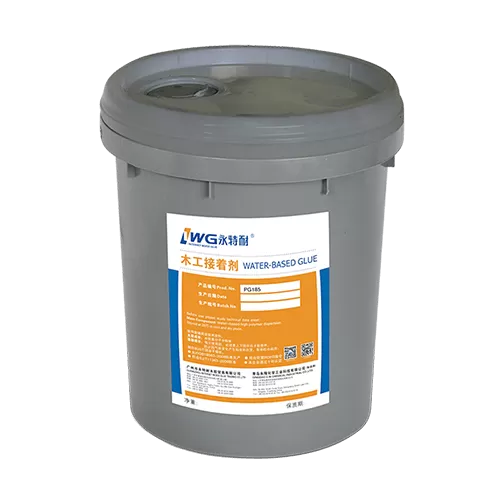
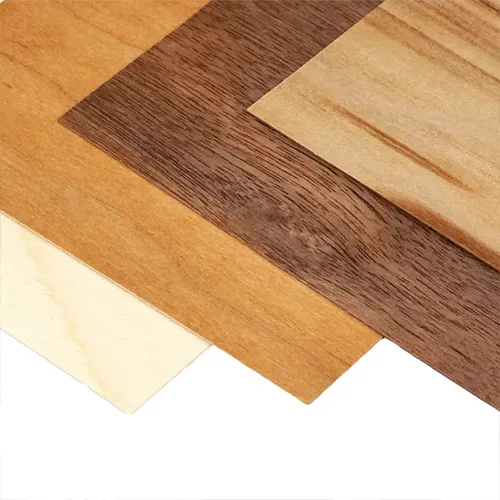
Solid wood adhesiveFinger adhesive:PG240/PG80L/SAP21390 Wet material adhesive:8130/8132 Splicing glue: Soft material: SAP21300/SAP21330 Neutral Wood: SAP21390/SAP22471/PG185 Medium hard wood: PG386/PG134/PG1268 Hard Wood: PG1963/1/PG1973-8/PG1962 Wet material splicing adhesive: 8170/8172 Anti cracking oil for solid wood:C-26 | Board specific adhesiveWoodskin processing: Water tape Wireless splicing adhesive powder: NH16/NH16H Hot melt adhesive line: 1220 #/2210 #/K3 Tree durian thin film softening and leveling agent: PG20 Hot pressed veneer adhesive: 608/602 rubber powder E1 grade formula PG85HV/PG661 single component E0 grade adhesive SAP21360/H5 two-component E0 grade formula 608/602 Rubber Powder E1 Grade Tree Fork Special Category Wood Leather Special Formula Handmade veneer adhesive:950/PG66/5176 | Board specific adhesiveThickened adhesive for artificial board:9603/9601/PG240 Adhesive for structural assembly: Epoxy resin iron adhesive: 901AB/902AB/960AB D3 single component high-strength latex: PG80/PG52 Ordinary assembly with solid wood edge: PG660/PG65/PG250/PG52/PG386 Assembly adhesive after painting: PG208/901AB Edge banding adhesive: Manual edge banding machine: 88210/88260/88160 Automatic edge banding machine: 88500/88590/88800/88050/88360 Sealing solid wood strips with: (88800+88050) composite adhesive |
Common problem analysis
Why is solid wood furniture prone to deformation or structural cracking?
Root cause
• The moisture content of all solid wood furniture accessories is uneven, and the high moisture content of the solid wood itself leads to deformation caused by shrinkage and uneven stress in the later stage of the solid wood. Structural changes can easily lead to tearing;
• Poor processing of the panel and door panels that are most prone to deformation in all solid wood furniture cannot solve the problem of stress control and elimination in solid wood. Resulting in imperfect deformation of the final product;
• The adhesive used for structural assembly cannot meet the structural strength requirements or the precision of structural assembly processing cannot meet the bonding process requirements, which affects the final structural bonding strength.
Solution
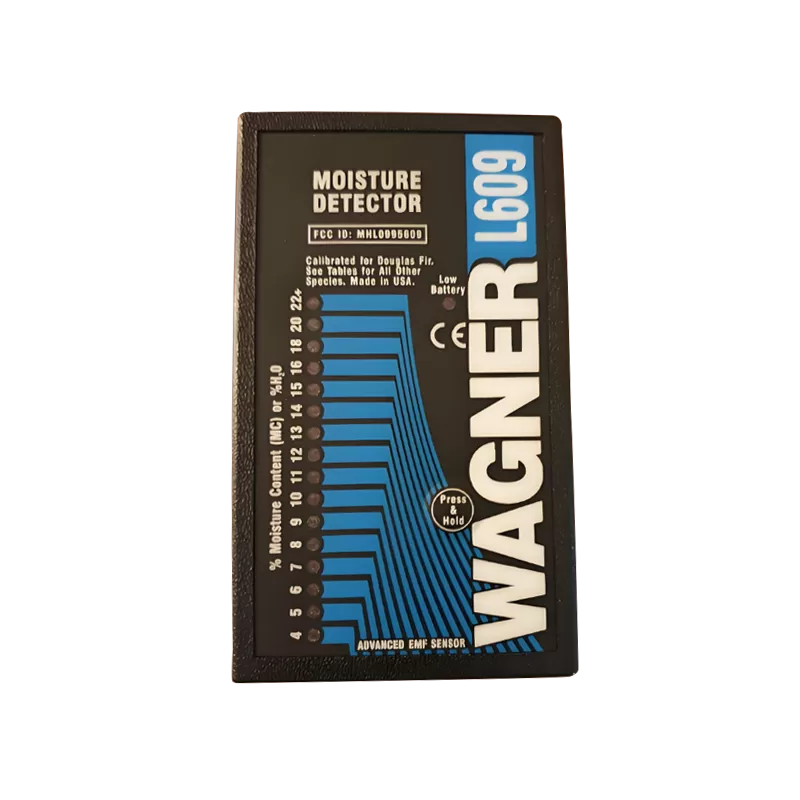
• The moisture content of all solid wood products should be controlled within 12% after painting. Before painting, all solid wood furniture must undergo a balanced dehumidification process to ensure that the moisture content of each component of a single piece of furniture is balanced at 8-10%, which is relatively safe;
• Full solid wood panels and door panels, due to the inherent nature of stress in solid wood, require stress relief design in their structure. Without affecting the size and structure, how to eliminate the impact of subsequent stress on the structure should be considered;
• Thicken or replace the back coating adhesive of the edge banding; Different structures will withstand different forces, and it is crucial to select suitable adhesives with different strengths for application based on the different forces and functional forces. Suggest using adhesive according to the recommendations of the adhesive supplier; Accurate structural assembly and processing precision are particularly important to ensure the maximum bonding strength of the structure.
What is the reason for the bubbles on the wooden veneer pasted on the artificial board?
Root cause
• The amount of adhesive used is insufficient, uneven, and the opening time is not sufficient. The areas where the adhesive is thin have dried, the substrate is unbalanced, and the waterproof performance of the adhesive is poor. When making water-based paint, the strength of the adhesive layer is damaged. The thickness of the veneer sheet and the strength of the special adhesive used for bonding are not sufficient, and the areas where the veneer sheet thickness varies greatly are prone to foaming, etc. All the details and process control of this manufacturing process are key to quality assurance.
Solution
• The precision and moisture content of wood veneer processing should be controlled according to requirements. The substrate and equipment should be checked before processing to ensure they meet normal standards. The bonding process should be strictly controlled according to the supplier's operating instructions;
Why is solid wood furniture prone to deformation or structural cracking?
Root cause
• The thickness of each board has a significant difference, and when multiple boards are thickened and spliced together, the thin areas may be subjected to insufficient pressure or pressure;
• The uneven processing of the joint surface may result in jumping knives or biting the head and tail, leading to insufficient pressure and sealing of the joint surface;
• The simple pressure equipment and fixtures are not strong enough to guarantee the required pressure (12-15kg/cm2 for hardwood), and the simple pressure of the fixtures cannot guarantee uniform compression on all surface positions;
• The pressurization time is too short. Due to the fact that the secondary splicing is mostly done by stacking thick materials, the stress rebound is large, and the degree of adhesive curing is not enough. After unloading the pressure, it will slowly rebound and crack.
Solution
• For splicing materials that require secondary thickening, they must be double-sided planed to a certain thickness or sandblasted to a certain thickness before splicing to ensure that the thickness difference between each board is less than 0.2mm and to ensure the pressure balance of the entire board;
• It is recommended to use a specialized hydraulic splicing machine for secondary thickening splicing to ensure sufficient and uniform pressure. When using manual clamps, it is necessary to balance the upper and lower fixtures to ensure uniform and sufficient pressure.;
• The pressure time for the secondary thickening splicing should be sufficient, with medium soft materials ensuring a pressure time of at least 2 hours (25 ℃) and medium hard materials ensuring a pressure time of at least 3 hours (25 ℃);
• The board that has been thickened and assembled twice has a higher moisture content due to repeated bonding, so it needs to undergo balanced dehumidification treatment to better ensure the stability of the material, without deformation or cracking.
Application Scenarios