










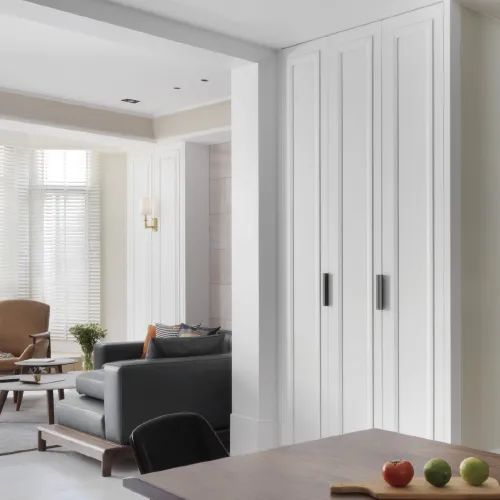

Custom Furniture
Solution Introduction
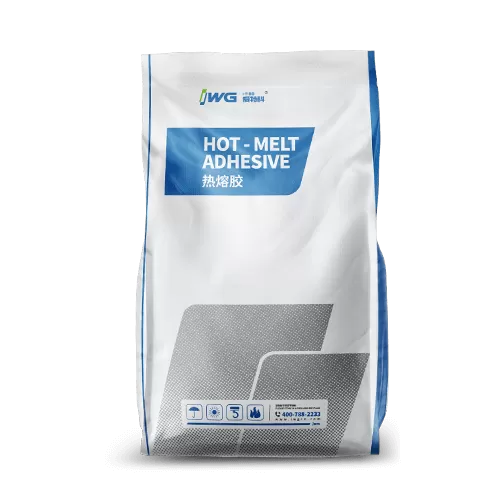
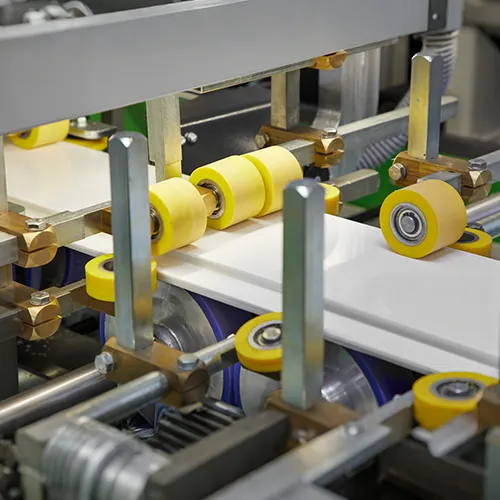
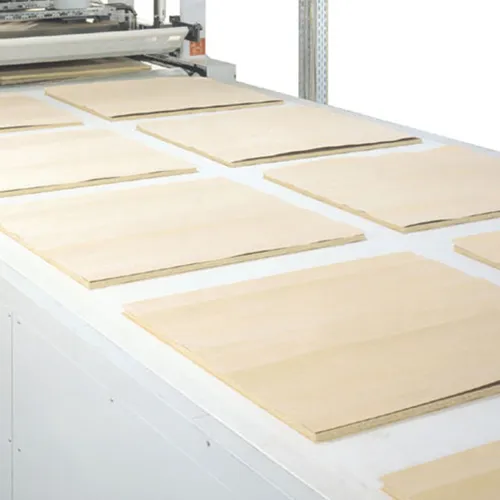
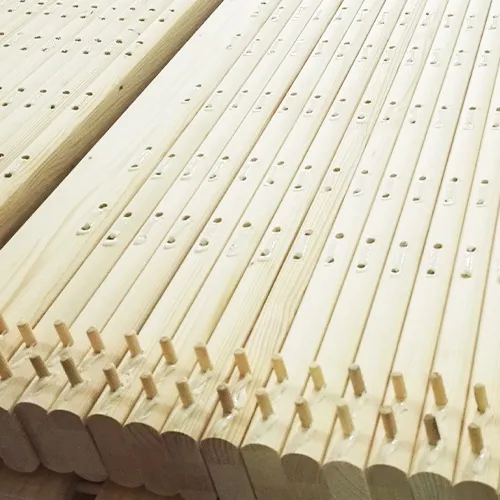
For different processing and assembly equipment, the high-frequency machine, room temperature cold pressing wheel type splicing machine, fragrant material main splicing line, manual fixture and other splicing adhesive product series have strong applicability.
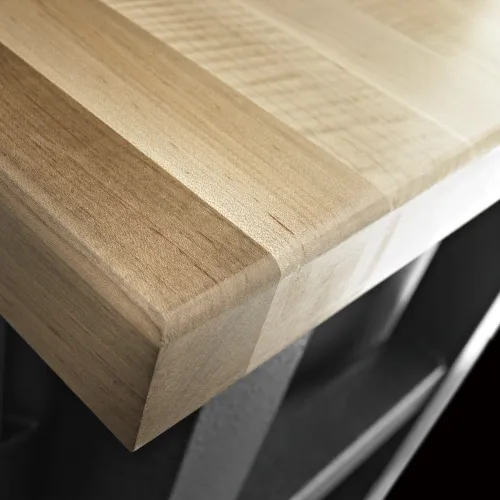
Targeting different types of solid wood materials such as oil hard wood, hard wood, and medium hard wood, such as teak, rosewood, ebony, maple, water chestnut, oak, white wax wood, white oak, red oak, rubberwood, poplar, pine, cedar, and other laminated adhesive products, to meet the strength requirements of different materials.
All panel adhesive series products are E0/F ★★★★ environmentally friendly and manufactured without formaldehyde additives. The bonding strength is tested according to the Japanese agricultural and forestry JAS cold water immersion peeling and boiling water immersion peeling test standards. Cooperate with specialized adhesive equipment to meet the needs of refined production processes and efficient production capacity in the factory, ensuring safety, stability, and high efficiency!
Customized furniture adhesive solution, related processes and recommended adhesives
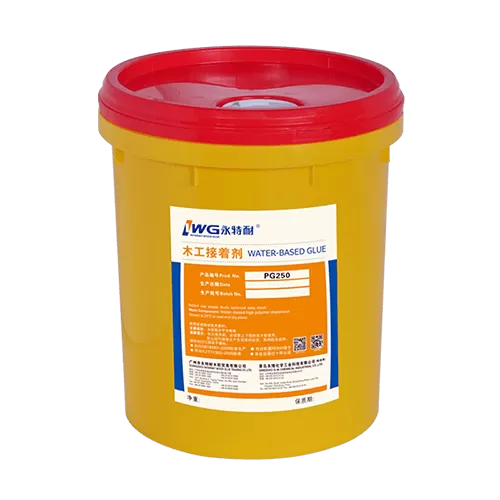
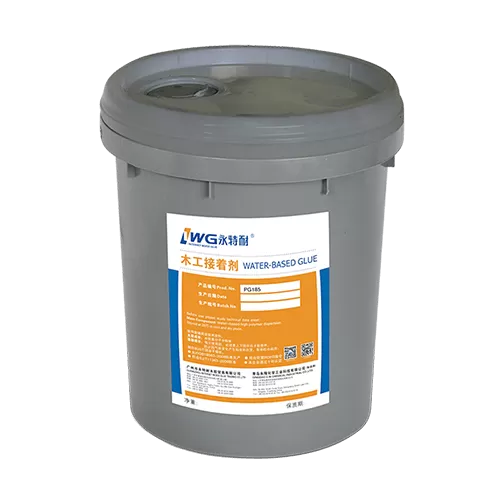
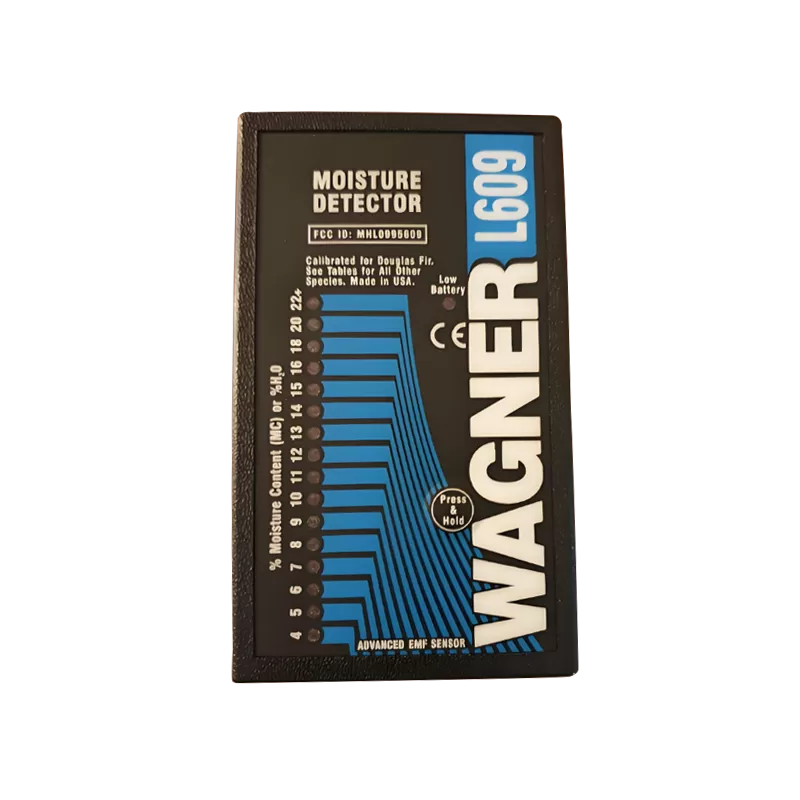
Adhesive for finger joint processOrdinary finger connection requirements:9630/9631/PG240 Higher requirement finger connection:PG80L/SAP21300/SAP21390 Fully automatic adhesive finger joint:9630/PG240L/PG80L Wet material adhesive:8130/8132 | Glue for panel assembly processSoft wood panel adhesive:SAP21300/SAP21330 Neutral material splicing adhesive:SAP21390/SAP22471/PG185 Medium hard material splicing adhesive:PG386/PG134/PG1268 Hard material splicing adhesive:PG1963-1/PG1973-8 Wet material splicing adhesive:8170/8172 | Supporting products and equipmentSolid wood end sealing wax:AC-25 Solid wood anti cracking oil:AC-26 High frequency machine release agent:RC-13 Solid wood moisture content tester:L609/L606/6-36% Equipment for solid wood panel adhesive:Mixing machine/cloth glue machine |
Common problem analysis
Putting the assembled wooden boards for a period of time or shipping them to different areas can easily lead to cracking of the end glue line
Root cause
• The relationship between moisture content. During the splicing process, the moisture content is relatively high, ranging from 14-16%. If left for a period of time or in a relatively dry area, significant internal stress changes may occur with changes in moisture content, leading to wood cracking or cracking at the glue line;
• The panel surface is not flat enough with saw marks or jumping knives, and the recommended bonding strength of the panel surface cannot be achieved after compression. The change in internal stress of solid wood leads to insufficient bonding strength and cracking;
• When splicing, the proportion of curing agent (bridging agent) in the splicing adhesive is too small and insufficient, resulting in insufficient bonding strength of the splicing surface. The strength of the joint surface is less than the internal stress strength of the solid wood itself, making it prone to cracking at the glue line;
• The adhesive strength that matches the wood material is insufficient, and no adhesive with the corresponding strength requirements has been selected.
Solution
• Control the moisture content of solid wood splicing to 10-12%. It is recommended to control it within 8-10% to avoid significant stress changes that may cause cracking in the later stages. The assembled board should be sealed with a thin film before proceeding to the next process to prevent moisture absorption and regain.;
• When assembling boards, ensure that the joint surface is smooth and flat without any saw marks or knife jumping, and ensure that the joint surface is clean and flat;
• Regularly check the ratio of the main adhesive and curing agent for the splicing board every day, and use precision measuring tools to mix them;
• Before applying adhesive of different wood species, strength testing should be done first to meet the required strength of the wood species before mass application.
Application Scenarios


