






















FAQ-PUR Edge Bands and Adhesive Solutions - Common Questions
Table of Contents
I. Basic Knowledge【Audience: Technicians and Purchasers New to PUR Edge Banding Process】
Q1: What are the core functions of PUR edge banding?
II. Material Selection【Audience: Purchasers and Process Engineers】
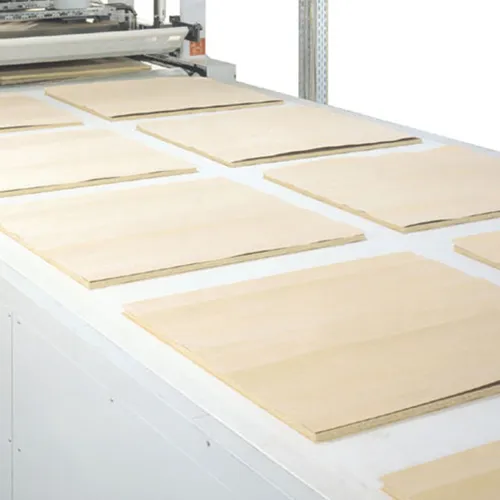
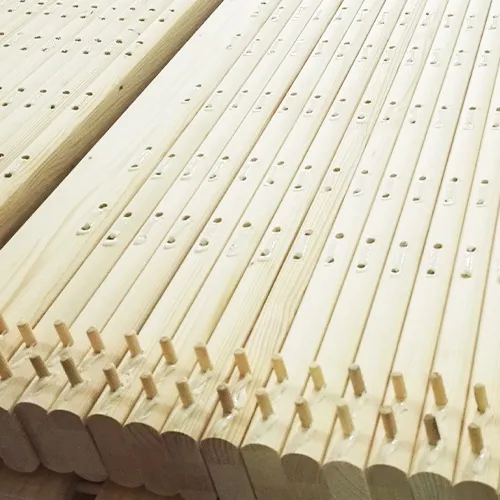
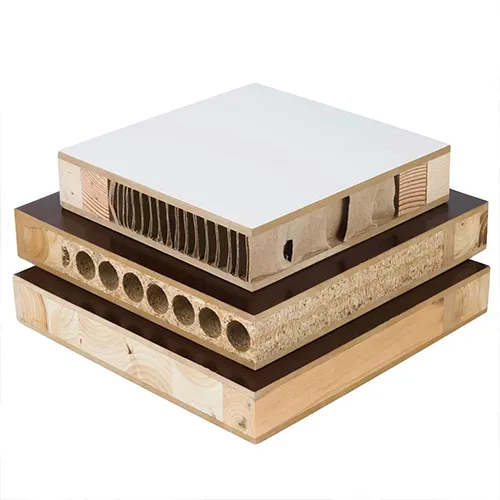
Q2: What are the common substrates for PUR edge banding and their respective characteristics?
Q3: How to select edge banding strips? What are the requirements for back-coating technology?
Q4: How to evaluate workability when selecting PUR adhesive?
Q5: What is the temperature adaptation range of PUR adhesive? How to cope with seasonal changes?
III. Machine Operation【Audience: Frontline Production Technicians and Machine Operators】
Q6: What are the standard operation points for the fence of the edge banding machine?
Q7: What are the professional operation specifications for end cutting and rough trimming?
Q8: What are the operation requirements for pressure beam adjustment?
IV. Process Flow and Quality Control【Audience: Production Managers and Quality Control Personnel】
Q9: What are the preparation procedures before PUR edge banding operation?
Q10: What is the operating sequence and specification for the core edge banding process?
Q11: What are the requirements for equipment cleaning and finished product storage after operation?
Q12: What is the timing and requirement for first article inspection?
Q13: What are the inspection frequency and key quality control points for in-process inspection?
Q14: What are the acceptance criteria for finished PUR edge banding products?
V. Summary【Audience: All Relevant Positions】
Q15: What are the three key points for the implementation of PUR edge banding process?
I. Basic Knowledge【Audience: Technicians and Purchasers New to PUR Edge Banding Process】
【Q1】: What are the core functions of PUR edge banding?
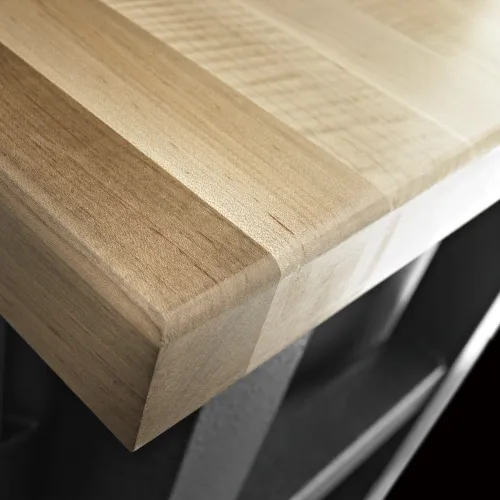
【A1】PUR edge banding has four core functions:
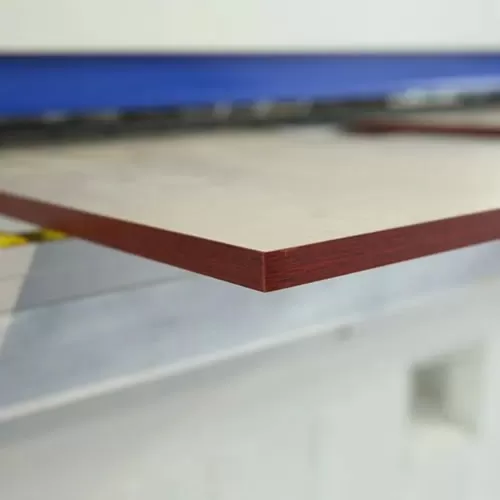
Decorative & Aesthetic Function: Cover edge defects of substrates and achieve consistent style;
Moisture-Proof Protection Function: Form a dense sealing layer to block moisture intrusion and prevent substrate deformation and mildew;
Eco-Friendly Sealing Function: Seal the interior of substrates and slow down the release of harmful substances. The VOC content of PUR adhesive complies with GB 33372-2020 (≤50g/kg);
Structural Reinforcement Function: Improve edge structural stability through chemical crosslinking and reduce the risk of delamination and cracking.
II. Material Selection【Audience: Purchasers and Process Engineers】
【Q2】: What are the common substrates for PUR edge banding and their respective characteristics?
【A2】The professional characteristics of the four common substrates for PUR edge banding are as follows:
Substrate Type | Core Characteristics |
Particleboard | Uneven particle arrangement, good adaptability for surfaced panels |
MDF (Medium Density Fiberboard) | Fine and smooth surface, good decorative performance, but poor moisture resistance and screw holding power |
OSB (Oriented Strand Board) | Formed by oriented wood strands, large panel size and high stability |
Plywood | Cross-laminated bonding structure, stable structure and excellent environmental performance; preferred substrate for humid scenarios such as cabinets |
【Q3】: How to select edge banding strips? What are the requirements for back-coating technology?
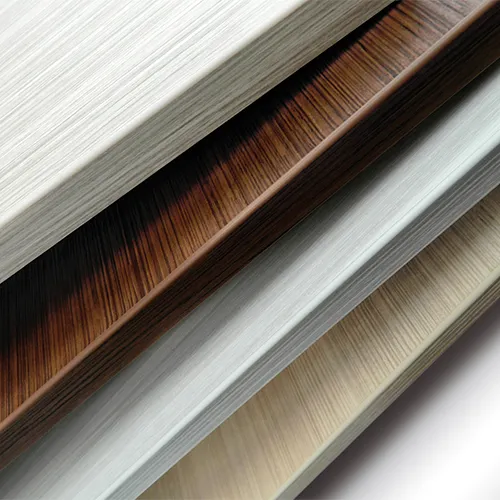
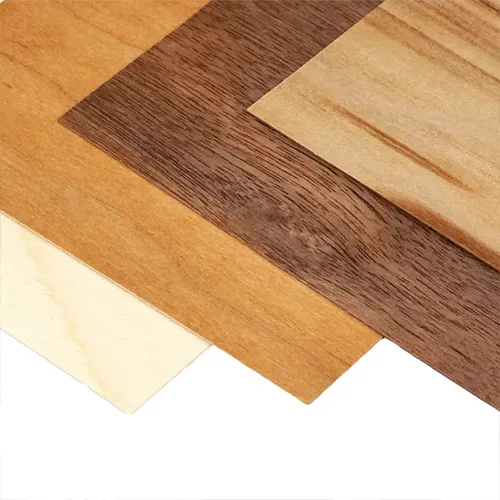
【A3】Common edge banding types include: PVC (cost-effective), ABS (high durability), Veneer / Solid Wood Strip (natural grain), Acrylic (premium texture). The core technical point is the back adhesive layer — its coating uniformity and bonding strength directly determine the bonding stability with the substrate, which is a key prerequisite for edge banding quality.
【Q4】: How to evaluate workability when selecting PUR adhesive?
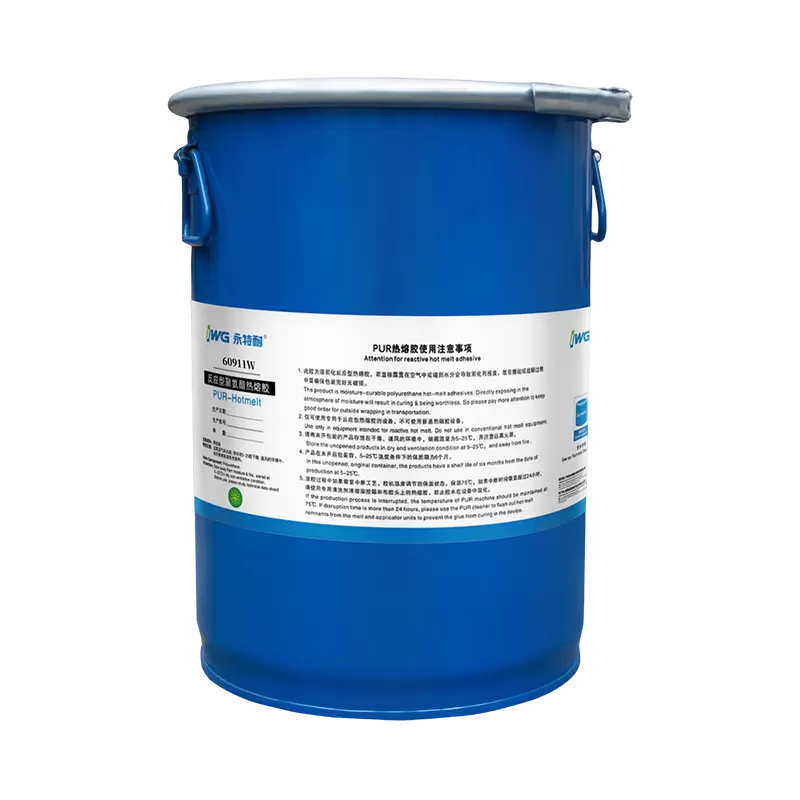
【A4】The workability of PUR adhesive is the core guarantee of production efficiency. Professional requirements include: continuous glue application without stringing, dripping or panel contamination, and no residual glue accumulation on the glue roller. This can not only reduce manual cleaning cost, but also avoid edge banding defects caused by residual glue, ensure consistency in mass production, and especially adapt to the high-efficiency operation requirements of automatic edge banding lines.
【Q5】: What is the temperature adaptation range of PUR adhesive? How to cope with seasonal changes?
【A5】Temperature adaptability is a key consideration for PUR adhesive selection. Priority shall be given to wide-temperature-range products to achieve environmental adaptability from -10℃ to 40℃. One seasonal change adjustment per year or all-season applicability can greatly reduce distributor service cost and glue replacement waste at end factories, and guarantee stable production all year round.
III. Machine Operation【Audience: Frontline Production Technicians and Machine Operators】
【Q6】: What are the standard operation points for the fence of the edge banding machine?
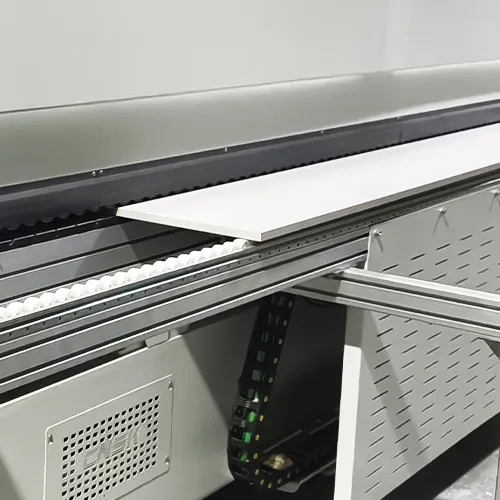
【A6】The fence is used to adjust pre-milling depth. It must be parallel to the conveyor belt to ensure straight feeding of panels and guarantee edge banding precision.
【Q7】: What are the professional operation specifications for end cutting and rough trimming?
【A7】
End Cutting: The saw blade must rotate inward for cutting, and the fence shall be kept vertical to prevent edge banding chipping and uneven cutting.
Rough Trimming: Used to remove most excess edge band material. The vertical floating range is controlled at 1-1.5mm, and a trimming allowance of 0.2mm shall be reserved to provide an accurate base for the subsequent fine trimming process.
【Q8】: What are the operation requirements for pressure beam adjustment?
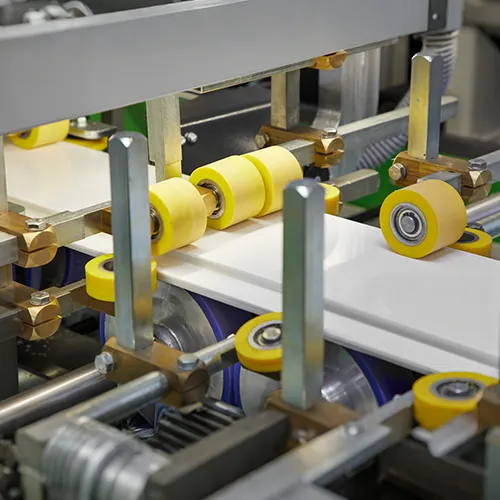
【A8】Pressure beam adjustment is critical to guarantee stable panel feeding: adjust the height precisely according to panel thickness to ensure the panel is pressed smoothly. Too loose pressure will cause panel shifting and affect edge banding precision; too tight pressure is likely to cause panel indentation and deformation. The professional operation standard is "Firmly pressed without damage".
IV. Process Flow and Quality Control 【Audience: Production Managers and Quality Control Personnel】
【Q9】: What are the preparation procedures before PUR edge banding operation?
【A9】The preparation for PUR edge banding shall follow the professional procedures below:
Check whether the specification, dimension and surface quality of panels meet process requirements, and confirm edge banding positions and edge band parameters;
Clean the machine, fasten loose components, and adjust the feeding baffle and pressure beam height;
Check that the glue pot has sufficient and clean adhesive;
Confirm that the air pressure of the machine is not lower than 6kgf and the glue temperature meets adhesive requirements.
【Q10】: What is the operating sequence and specification for the core edge banding process?
【A10】The core edge banding process shall follow the sequence and specifications below:
Use a high-pressure air gun to thoroughly remove dust and debris on the glue-coated surface of panels to ensure good wetting of the adhesive layer;
Feed the panels closely against the guide rail in parallel and evenly; test the machine with waste panels during commissioning;
Clean machine debris regularly during operation to avoid scratching the panel surface;
The professional operating principle is "Seal short edges first, then long edges".
【Q11】: What are the requirements for equipment cleaning and finished product storage after operation?
【A11】The following professional requirements shall be met at the end of operation:
Equipment Cleaning: Clean the glue pot, remove dirty glue and cover it tightly to prevent dust contamination; the glue shaft of PUR equipment must be thoroughly cleaned without residual glue;
Finished Product Storage: Stack finished panels neatly on pallets by batch, and attach job sheets for each batch for traceability;
Power Management: Turn off the power of the machine and dust collection system, and organize consumables such as edge banding strips.
【Q12】: What is the timing and requirement for first article inspection?
【A12】First article inspection is the professional quality threshold for mass production:
Inspection Timing: A first article sample must be produced and fully inspected before processing each batch; re-inspection is required after machine maintenance or long downtime before resuming production;
Release Criteria: Mass production can only be started after all indicators such as edge bonding strength, flatness and dimensional accuracy are confirmed qualified.
【Q13】: What are the inspection frequency and key quality control points for in-process inspection?
【A13】In-process inspection is a professional quality control method for real-time monitoring:
Inspection Frequency: Sampling inspection shall be carried out at the set frequency during production;
Responsible Parties: Material receivers and woodworking QC personnel shall perform real-time monitoring;
Inspection Focus: Including key indicators such as edge bonding strength, glue line quality and panel cleanliness;
Abnormality Handling: If defects such as delamination, excess glue or scratches are found, report immediately and stop production for correction to realize real-time adjustment.
【Q14】: What are the acceptance criteria for finished PUR edge banding products?
【A14】Acceptance of PUR edge banding shall meet five core professional indicators:
Firm and Straight Bonding: No delamination, skew or wavy defects;
Qualified Surface Quality: No scratches on the panel, no chipping on edges, and no exposed substrate;
Excellent Glue Line Quality: No glue gaps, pinholes or excess glue;
Intact Edge Banding Strip: No scratches or damage, with smooth and tight joints;
Compliant Dimensional Accuracy: Finished dimensions after edge banding meet drawing requirements.
V. Summary 【Audience: All Relevant Positions】
【Q15】: What are the three key points for the implementation of PUR edge banding process?
【A15】Three key points shall be grasped for professional implementation of PUR edge banding:
Accurate Selection of Raw Materials: Matching performance of substrate, edge banding strip and PUR adhesive;
Precise Control of Process Parameters: Machine operation and process procedures comply with professional standards;
Strict Implementation of Quality Inspection: Full coverage of first article inspection, in-process inspection and finished product testing.
The coordination of the three can achieve attractive, firm and eco-friendly edge banding results.
Disclaimer: All technical parameters and process recommendations provided in this guide are summarized based on laboratory test data and long-term practical production experience, aiming to help users find suitable working methods. As end users' production conditions are beyond our control, we shall not be liable for results affected by each user's own production conditions. In any case, it is recommended to verify specific product selection and process parameters against your actual production line. For further technical support, please contact our sales / technical team.


