









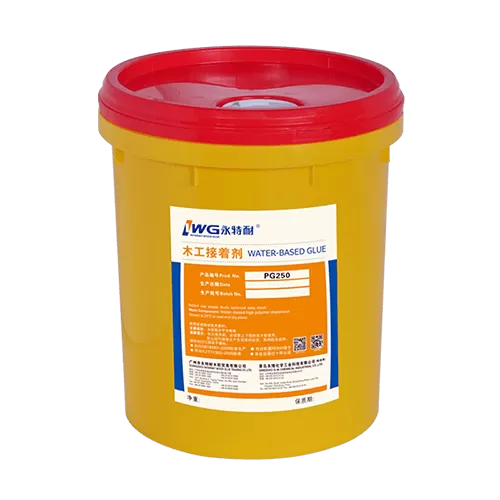
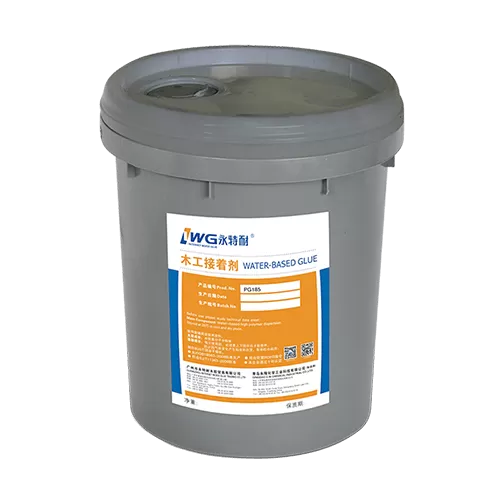








There are tricks to applying woodworking glue, and five aspects need to be paid attention to
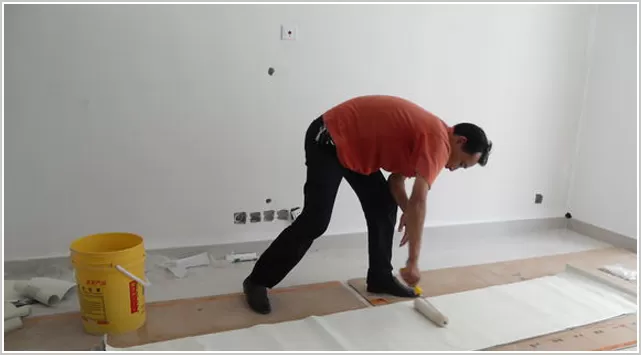
Applying glue is a seemingly simple yet meticulous task during the use of woodworking glue. The amount, thickness, and method of adhesive application all affect the progress of subsequent processes and the quality of finished products. Wood glue expert IWG will decrypt the process secrets of wood glue coating for you, with five major precautions——
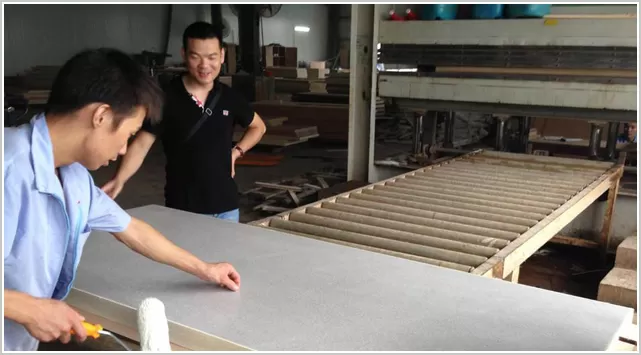
The precautions in the adhesive coating process are as follows:
1. The amount and number of coats of adhesive vary depending on the type of adhesive used, and should be carried out according to the prescribed instructions. For example, epoxy adhesive is only applied once, while most solution adhesives require two or even three coats. In addition, for the bonding of porous materials, the amount and number of coats should be appropriately increased.
When applying glue multiple times, be sure to wait until the previous solvent has evaporated before reapplying, and the first layer of glue should be as thin as possible.
2. The thickness of the adhesive layer can be controlled by the amount of adhesive applied, and the thickness of the adhesive layer is closely related to the bonding strength. The general rule is that the adhesive strength increases as the thickness of the adhesive layer decreases. The thinner the adhesive layer, the less likely it is to have a missing adhesive, resulting in lower internal stress and higher adhesive strength. However, when the thickness of the adhesive layer is less than a certain value, due to the inability to form a continuous adhesive layer, the bonding strength will actually decrease. When subjected to peeling force, a thicker adhesive layer will result in higher peeling strength. The appropriate thickness of the adhesive layer varies for different types of adhesives, with inorganic adhesives generally ranging from 0.1 to 0.2mm and organic adhesives ranging from 0.05 to 0.15mm.
3. The uniform adhesive layer contains bubbles or missing adhesive, which can cause weak links in the production of adhesive joints and seriously affect the bonding strength of the joints. When applying adhesive, attention should be paid to the uniformity of the adhesive layer, especially when applying paste adhesive with high viscosity, to prevent the phenomenon of bubbles in the adhesive layer due to uneven coating.
4. The adhesive layer is a solvent that should be fully evaporated. Residual solvents in the adhesive layer can seriously damage the performance of the bonded joint. The bonding joints of metals are particularly important. In order to fully evaporate the solvent in the adhesive layer, the coating of solvent containing adhesives should be carried out in stages. Do not let it dry excessively, especially the last time, otherwise the viscosity will be too high to bond. During the drying process, avoid contaminating the adhesive surface with dust in the air.
5. Timely bonding: For solvent-free adhesives, bonding can be carried out immediately after application. For adhesives containing solvents, the bonding surfaces should be tightly adhered after drying, paying attention to alignment. For liquid solvent-free adhesive bonding, move back and forth several times to increase contact and eliminate air.
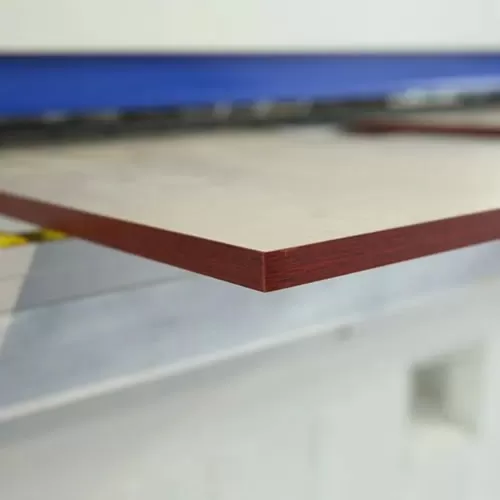
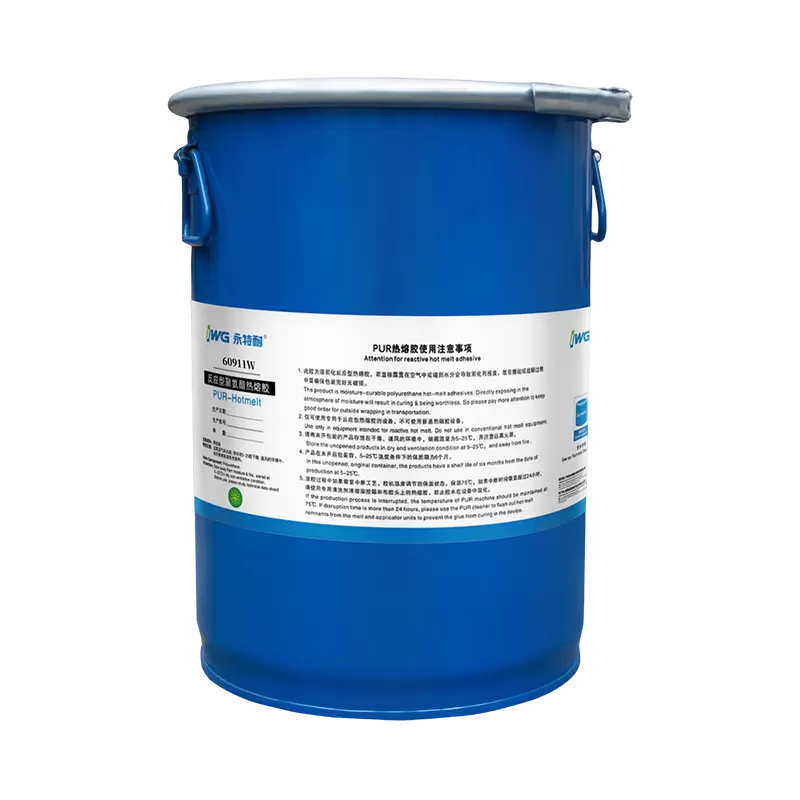
The five core processes of precision research in the woodworking industry application technology are edge sealing, finishing, composite, splicing, and assembly. For the quality of details in your product production, IWG Woodworking Adhesive is more stringent than you! If you are interested in or have any questions about our woodworking adhesive, please click on our online customer service or call the national unified discount hotline: 400-788-2233. IWG people are sincerely looking forward to your consultation!